Overheating in Hydraulic Systems: Causes, Effects, and Prevention
May 6, 2024
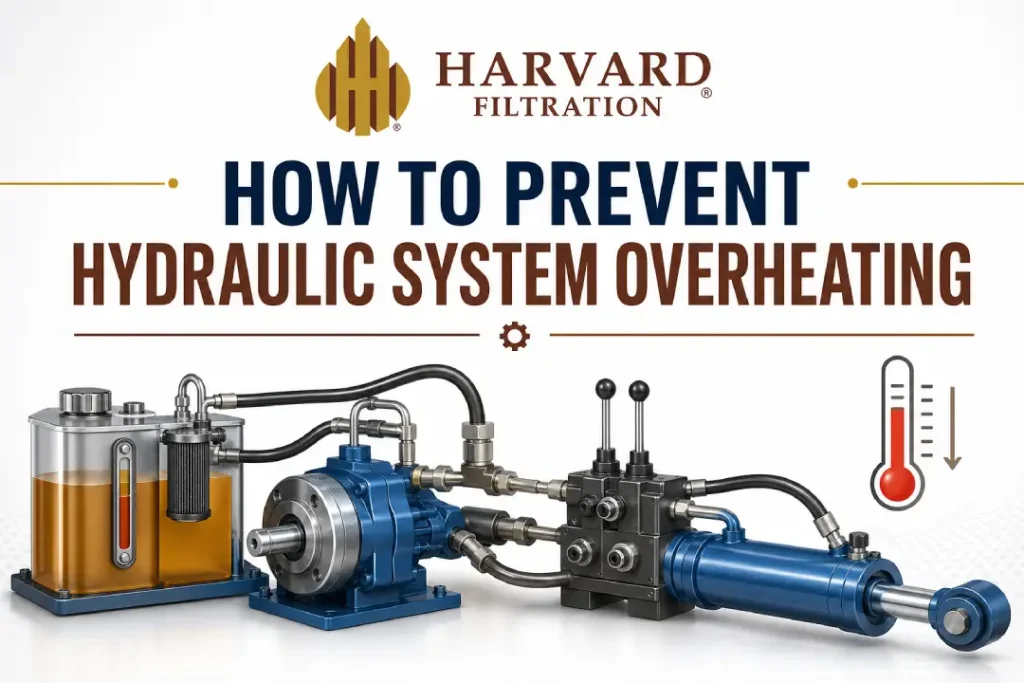
Hydraulic systems are at the heart of countless industrial operations—from construction and manufacturing to mining and transportation. They convert fluid power into mechanical energy, providing precision, power, and control in demanding environments. However, one persistent issue that affects hydraulic performance and reliability is overheating. Excessive heat can degrade hydraulic fluid, damage components, and lead to unplanned equipment downtime.
Understanding why hydraulic systems overheat, what happens when they do, and how to prevent it is crucial for keeping operations efficient and cost-effective.
Why Overheating Happens
Hydraulic systems naturally generate heat through internal friction and pressure losses. Under normal conditions, the system’s cooling mechanisms maintain a safe temperature range—typically between 110°F and 140°F (43°C–60°C). However, when heat generation exceeds the system’s ability to dissipate it, fluid temperature rises, leading to overheating.
Key sources of heat include:
- Frictional losses in valves, pumps, and lines
- Flow restrictions or improper system design
- Low fluid levels or degraded oil viscosity
- External environmental factors, such as high ambient temperatures
Over time, this thermal imbalance can cause severe performance issues and costly failures.
Key Causes of Hydraulic System Overheating
1. Inadequate Fluid Flow
Hydraulic systems rely on a constant and adequate flow of fluid to transfer energy and dissipate heat. If the flow is restricted—due to clogged filters, undersized hoses, or damaged pumps—heat builds up rapidly.
Maintaining proper flow ensures both energy efficiency and thermal stability.
2. Excessive Pressure Drops
Every pressure drop within the system converts hydraulic energy into heat. Worn-out valves, sharp bends in piping, or improper component sizing can all contribute to unnecessary pressure loss. These inefficiencies not only waste energy but also elevate system temperatures.
Optimizing the hydraulic circuit layout and maintaining component integrity are key to minimizing these losses.
3. Contaminated or Incorrect Fluid
Using the wrong hydraulic fluid—or one contaminated with water, air, or debris—can disrupt lubrication and increase friction. Contaminants accelerate oxidation, thicken the oil, and reduce its ability to dissipate heat effectively.
Regular oil analysis and filtration help detect problems early, ensuring that the fluid maintains its designed performance characteristics.
4. Faulty Heat Exchangers and Coolers
Most industrial hydraulic systems include a heat exchanger or cooler to remove excess heat from the fluid. When these components fail—due to clogging, corrosion, or low coolant flow—the system temperature can rise quickly.
Routine inspection and cleaning of coolers are essential to prevent this failure mode.
5. Oversized or Overloaded Components
A pump or motor that operates continuously near its maximum capacity will produce more heat than a properly sized one. Oversized or improperly matched components can cause inefficiencies throughout the system.
Selecting equipment that matches the actual load requirements is vital for long-term temperature control and energy savings.
Effects of Overheating on Hydraulic Systems
Overheating is not just a nuisance—it directly affects both fluid chemistry and mechanical components.
1. Fluid Degradation
When hydraulic fluid exceeds its recommended temperature range, its viscosity decreases, reducing lubrication efficiency. This results in metal-to-metal contact, accelerated wear, and oxidation. Oxidized oil thickens, forming sludge and varnish deposits that restrict fluid flow and trap heat.
2. Seal and Component Damage
High temperatures cause seals and hoses to harden or crack, leading to internal leaks and loss of system pressure. Prolonged overheating can also damage precision components such as pumps, cylinders, and valves.
3. Reduced Efficiency and Reliability
As temperatures rise, fluid compressibility increases and system response time slows. Operators may notice sluggish performance, pressure fluctuations, or intermittent power loss. Eventually, this can lead to unplanned shutdowns or catastrophic equipment failure.
How to Diagnose Overheating Problems
Effective troubleshooting begins with identifying where and why heat is accumulating.
1. Monitor System Temperature
Use temperature sensors or infrared thermography to monitor critical points such as pump outlets, return lines, and reservoirs. Compare readings against manufacturer specifications to spot abnormalities early.
2. Analyze Pressure and Flow
A drop in flow or a spike in pressure can indicate restrictions, pump inefficiencies, or valve malfunctions. Using pressure gauges and flow meters allows you to pinpoint where energy is being wasted as heat.
3. Inspect the Cooling System
Check coolers, fans, and filters for obstructions or reduced performance. Ensure that the cooling circuit maintains proper fluid and air flow to efficiently remove heat.
4. Conduct Fluid Analysis
Regular oil sampling can reveal oxidation levels, contamination, and viscosity changes—all of which correlate with overheating. Tracking these metrics helps prevent thermal issues before they become severe.
Prevention and Maintenance Strategies
Preventing overheating requires a proactive maintenance approach focused on system design, monitoring, and cleanliness.
1. Use the Right Hydraulic Fluid
Select a fluid with the proper viscosity index and thermal stability for your application. Fluids with advanced anti-oxidation additives perform better under high-temperature conditions common in North American industrial environments.
2. Maintain Cleanliness
Contaminants act as insulators that trap heat. Regular filtration, flushing, and filter replacements ensure clean oil circulation and consistent cooling.
3. Optimize Cooling Systems
Ensure heat exchangers are properly sized and located where airflow is optimal. If your application operates in a hot climate or heavy-duty environment, consider upgrading to high-efficiency coolers.
4. Monitor and Record Performance
Implement a maintenance schedule that tracks temperature, pressure, and flow trends. Real-time monitoring systems can alert operators before temperatures exceed safe limits.
5. Regular Inspection and Training
Operators and technicians should be trained to recognize signs of overheating—such as unusual noise, sluggish motion, or discolored oil. Preventive inspection is far more cost-effective than emergency repair.
Conclusion
Overheating in hydraulic systems is a warning sign of underlying inefficiencies that can shorten equipment lifespan, degrade performance, and increase maintenance costs. By understanding the causes—such as poor fluid condition, high pressure drops, and inadequate cooling—you can take preventive measures to keep your system running at peak performance.
At Harvard Filtration, we understand the importance of fluid cleanliness and temperature control in industrial operations across the USA and Canada. Our advanced filtration and contamination control solutions help extend equipment life, minimize downtime, and maintain system reliability.
For expert guidance on hydraulic fluid management or custom filtration solutions, contact Harvard Filtration today and keep your hydraulic systems performing at their best.

