Hydraulic Cylinder Rebuild: A Complete Guide for Industrial Equipment
April 19, 2024
Hydraulic cylinders are among the most important components in modern hydraulic systems. They generate the linear force needed to lift, push, pull, and move heavy loads across industries such as construction, mining, agriculture, manufacturing, forestry, marine, and material handling. Because these cylinders operate under high pressure and demanding conditions, they naturally experience wear over time. Instead of replacing an entire hydraulic cylinder, many businesses choose a hydraulic cylinder rebuild to restore performance while reducing maintenance costs. Rebuilding hydraulic cylinder components allows operators to replace worn seals, repair damaged rods, inspect internal parts, and return equipment to reliable working condition. A professional rebuild not only extends equipment life but also minimises downtime and improves operational efficiency.
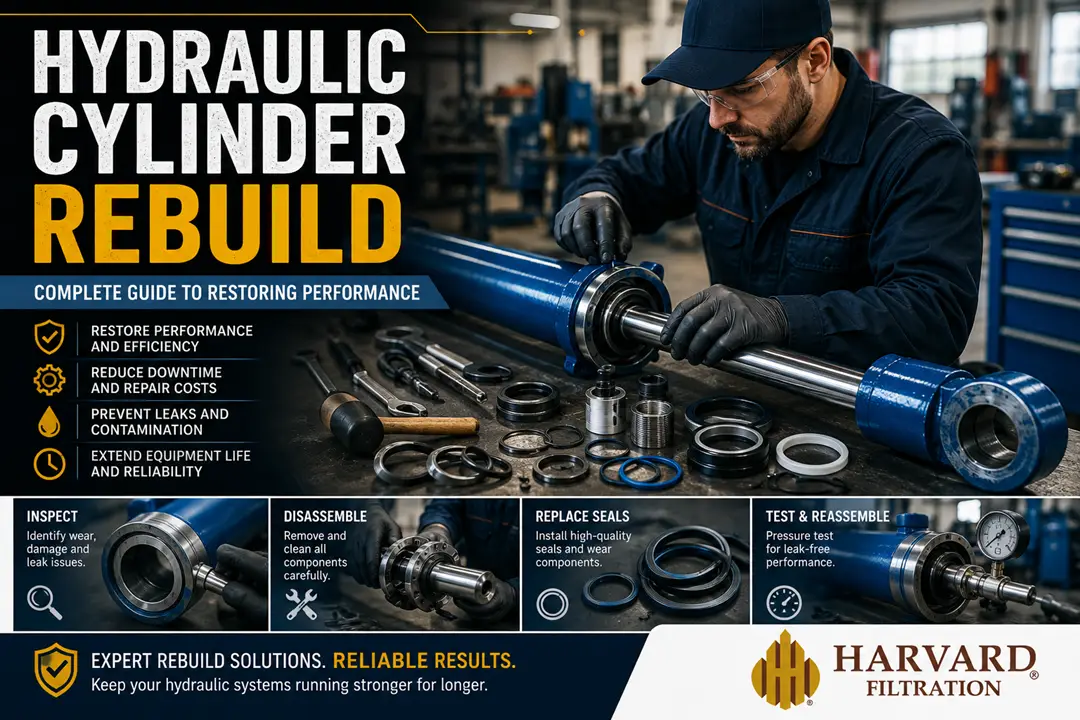
If you’re wondering how to rebuild a hydraulic cylinder, this comprehensive guide explains everything you need to know—from recognising failure signs to understanding the rebuilding process and adopting preventive maintenance practices that help protect your investment.
What Is a Hydraulic Cylinder Rebuild?
A hydraulic cylinder rebuild is the process of restoring a worn or damaged hydraulic cylinder by replacing or repairing its internal components. Rather than installing a completely new cylinder, rebuilding focuses on replacing parts that have deteriorated due to normal wear, contamination, or excessive operating conditions.
During a rebuild, technicians typically inspect and service:
- Hydraulic seals
- Piston assembly
- Piston rod
- Cylinder barrel
- Wear rings
- Bearings
- Gland assembly
- O-rings and backup rings
After repairs are completed, the rebuilt cylinder is pressure-tested to ensure reliable, leak-free performance.
For many industrial applications, rebuilding is significantly more cost-effective than purchasing a new cylinder while still delivering excellent reliability.
Why Hydraulic Cylinders Fail
Hydraulic cylinders are designed for demanding environments, but several factors contribute to gradual wear and eventual failure.
1. Contaminated Hydraulic Oil
Contamination is one of the leading causes of hydraulic cylinder damage. Dirt, dust, water, and metal particles circulating in hydraulic oil gradually wear seals, scratch piston rods, and damage cylinder walls.
Without proper hydraulic filtration, contaminants accelerate component wear and increase maintenance costs.
2. Worn Hydraulic Seals
Hydraulic seals prevent oil leakage while maintaining system pressure. Continuous operation, high temperatures, and pressure fluctuations eventually cause seals to harden, crack, or wear out.
Once seals fail, hydraulic oil leaks become inevitable.
3. Damaged or Bent Rods
Hydraulic rods are constantly exposed to heavy loads and harsh working environments.
Common causes of rod damage include:
- Accidental impacts
- Corrosion
- Misalignment
- Overloading
- Abrasive contamination
Even minor rod damage can quickly destroy new seals.
4. Corrosion
Water entering the hydraulic system creates rust inside the cylinder.
Corrosion weakens internal surfaces and shortens equipment life.
5. Excessive Heat
High operating temperatures reduce hydraulic oil viscosity and accelerate seal deterioration.
Overheated systems experience faster wear and reduced efficiency.
6. Poor Maintenance
Ignoring routine inspections often allows small issues to develop into major hydraulic failures.
Preventive maintenance dramatically increases cylinder lifespan.
Signs You Need a Hydraulic Cylinder Rebuild
Knowing when a hydraulic cylinder rebuild is necessary helps prevent expensive repairs and unexpected equipment failures.
Watch for these warning signs.
Hydraulic Oil Leaks
Oil leaking around the piston rod or gland is usually the first indication that seals have failed.
Even small leaks should be repaired before contamination enters the hydraulic system.
Reduced Lifting Capacity
If your equipment struggles to lift loads it previously handled with ease, internal leakage may be reducing hydraulic pressure.
Slow Cylinder Movement
A sluggish hydraulic cylinder often indicates worn seals, contaminated oil, or internal component damage.
Abnormal Noise
Grinding, knocking, squealing, or vibration suggests internal wear that should be investigated immediately.
Visible Rod Damage
Inspect rods for:
- Scratches
- Corrosion
- Chrome peeling
- Bending
- Dents
Damaged rods reduce seal life and increase leakage.
Frequent Pressure Loss
Hydraulic systems repeatedly losing pressure often require inspection and possible rebuilding.
When Is Rebuilding Hydraulic Cylinder Components the Best Option?
Many maintenance managers ask whether they should repair, rebuild, or replace a hydraulic cylinder.
In many situations, rebuilding hydraulic cylinder components is the best solution when:
- The cylinder barrel remains structurally sound.
- The piston rod can be repaired or replaced.
- Internal wear is limited to seals and bearings.
- Replacement cylinders have long lead times.
- Equipment downtime needs to be minimised.
- Cost savings are a priority.
A professional rebuild restores the cylinder to near-original performance while avoiding the higher cost of a complete replacement.
How to Rebuild a Hydraulic Cylinder
Understanding how to rebuild a hydraulic cylinder helps maintenance teams appreciate the importance of following proper procedures. Although cylinder designs vary by manufacturer, most rebuilds follow the same essential steps.
Step 1: Inspect the Hydraulic Cylinder
Every rebuild begins with a detailed inspection.
Technicians evaluate:
- External leaks
- Rod condition
- Seal wear
- Barrel damage
- Corrosion
- Thread condition
- Mounting points
A thorough inspection determines whether rebuilding is feasible or if replacement is necessary.
Step 2: Safely Disassemble the Cylinder
Before dismantling the cylinder:
- Release all hydraulic pressure.
- Disconnect hydraulic hoses.
- Remove retaining rings.
- Remove the gland assembly.
- Extract the piston rod.
- Organise components carefully.
Proper disassembly prevents unnecessary damage during the rebuilding process.
Step 3: Clean Every Component
Cleaning is one of the most important stages of any hydraulic cylinder rebuild.
All components should be thoroughly cleaned to remove:
- Dirt
- Metal particles
- Sludge
- Oil residue
- Rust
- Water contamination
Clean components allow technicians to identify hidden wear and ensure proper reassembly.
Step 4: Inspect and Replace Worn Components
After cleaning, every part should be carefully inspected.
Common replacement components include:
- Rod seals
- Piston seals
- O-rings
- Backup rings
- Wear rings
- Bearings
- Wipers
Replacing these wear components restores sealing performance and reduces the likelihood of future hydraulic leaks.
Step 5: Repair or Replace the Piston Rod
After disassembly and cleaning, the piston rod should be carefully inspected for damage. During a hydraulic cylinder rebuild, the condition of the rod directly affects seal life and overall cylinder performance.
Look for:
- Scratches
- Chrome peeling
- Pitting
- Corrosion
- Bent rods
- Surface scoring
Minor surface damage can often be polished or re-chromed, while severely bent or worn rods should be replaced. Installing a damaged rod may quickly wear out new seals and reduce the lifespan of the rebuilt cylinder.
Step 6: Inspect the Cylinder Barrel
The cylinder barrel is another critical component that requires careful evaluation.
Inspect the barrel for:
- Internal scoring
- Rust
- Wear marks
- Cracks
- Out-of-round conditions
Depending on the level of damage, technicians may:
- Hone the cylinder bore
- Machine the internal surface
- Replace the barrel if damage is beyond repair
A smooth cylinder bore ensures proper sealing and extends the life of the hydraulic cylinder.
Step 7: Install New Hydraulic Seals
One of the most important stages in rebuilding hydraulic cylinder components is replacing all worn sealing elements.
Typical replacement parts include:
- Rod seals
- Piston seals
- O-rings
- Backup rings
- Wear rings
- Dust wipers
Using premium-quality seals helps maintain hydraulic pressure, prevents contamination, and reduces future maintenance costs.
Always lubricate seals before installation and ensure they are seated correctly to prevent premature failure.
Step 8: Reassemble the Hydraulic Cylinder
Once every component has been inspected, repaired, and cleaned, the cylinder can be reassembled.
During reassembly:
- Install the piston assembly.
- Fit the new seals carefully.
- Insert the piston rod into the barrel.
- Install the gland assembly.
- Tighten retaining hardware according to manufacturer specifications.
- Verify proper alignment.
Following correct assembly procedures ensures the rebuilt cylinder operates safely and efficiently.
Step 9: Pressure Test the Rebuilt Cylinder
No hydraulic cylinder rebuild is complete without testing.
Pressure testing confirms that the cylinder:
- Operates smoothly
- Holds hydraulic pressure
- Has no oil leakage
- Completes the full stroke
- Maintains proper alignment
Testing before returning the equipment to service helps prevent unexpected failures in the field.
Benefits of a Hydraulic Cylinder Rebuild
A professional hydraulic cylinder rebuild offers numerous advantages over replacing the entire cylinder.
Lower Maintenance Costs
Rebuilding is often significantly less expensive than purchasing a new hydraulic cylinder.
Reduced Equipment Downtime
Repairing an existing cylinder is usually faster than waiting for a replacement, helping minimise production delays.
Restored Performance
Replacing worn seals and damaged components restores hydraulic pressure, improves lifting capacity, and enhances machine efficiency.
Extended Equipment Life
Routine rebuilding helps maximise the service life of hydraulic cylinders and the equipment they power.
Improved Reliability
Well-maintained cylinders are less likely to fail unexpectedly, improving productivity and reducing emergency repairs.
Sustainable Maintenance
Rebuilding existing cylinders reduces material waste and supports more sustainable industrial maintenance practices.
Hydraulic Cylinder Rebuild vs. Replacement
Businesses often ask whether rebuilding or replacing a cylinder is the better choice.
| Hydraulic Cylinder Rebuild | Hydraulic Cylinder Replacement |
|---|---|
| Lower repair costs | Higher purchase cost |
| Faster turnaround | Longer lead times |
| Reuses existing components | Brand-new assembly |
| Environmentally friendly | Higher material consumption |
| Excellent for repairable cylinders | Best for severely damaged cylinders |
When the cylinder barrel remains structurally sound, rebuilding is often the most practical and economical solution.
Preventive Maintenance Tips
Preventive maintenance plays a major role in extending hydraulic cylinder life.
Follow these best practices:
- Inspect cylinders regularly for leaks.
- Replace worn seals promptly.
- Monitor hydraulic oil condition.
- Keep hydraulic fluid clean.
- Change hydraulic filters according to the manufacturer’s recommendations.
- Perform routine oil analysis.
- Protect exposed piston rods from dirt and moisture.
- Avoid overloading hydraulic equipment.
- Monitor operating temperatures.
Small maintenance tasks today can prevent costly failures tomorrow.
The Importance of Hydraulic Filtration
One of the biggest causes of hydraulic cylinder failure is oil contamination.
Even microscopic particles can damage:
- Hydraulic seals
- Piston rods
- Cylinder walls
- Pumps
- Valves
- Bearings
Installing high-quality hydraulic filtration systems removes harmful contaminants before they reach critical hydraulic components.
Clean hydraulic oil not only protects hydraulic cylinders but also improves the reliability and efficiency of the entire hydraulic system.
Industries That Benefit from Hydraulic Cylinder Rebuilds
Hydraulic cylinder rebuilding is essential across many industries, including:
- Construction
- Mining
- Agriculture
- Manufacturing
- Oil & Gas
- Marine
- Forestry
- Material Handling
- Waste Management
- Recycling
- Steel Plants
- Infrastructure Projects
Reliable hydraulic cylinders help these industries maximise uptime and maintain safe operations.
Frequently Asked Questions
What is a hydraulic cylinder rebuild?
A hydraulic cylinder rebuild restores a worn hydraulic cylinder by replacing damaged seals, repairing rods, inspecting internal components, and testing the cylinder to restore reliable performance.
When should rebuilding hydraulic cylinder components be considered?
Rebuilding hydraulic cylinder components is recommended when the cylinder experiences oil leaks, pressure loss, slow movement, worn seals, or damaged rods, provided the barrel remains in good condition.
How do you rebuild a hydraulic cylinder?
Understanding how to rebuild a hydraulic cylinder involves inspecting the cylinder, safely disassembling it, cleaning all parts, replacing worn components, repairing damaged areas, reassembling the unit, and pressure testing it before returning it to service.
Is rebuilding better than replacing?
In many cases, yes. Rebuilding is more economical, reduces equipment downtime, and restores the cylinder to near-original operating performance.
How long does a rebuilt hydraulic cylinder last?
With proper installation, clean hydraulic oil, routine maintenance, and quality filtration, a rebuilt hydraulic cylinder can provide many years of reliable service.
Final Thoughts
A hydraulic cylinder rebuild is a smart, cost-effective investment that restores equipment performance, minimises unexpected downtime, and extends the service life of your hydraulic systems. By combining professional rebuilding practices with regular preventive maintenance and effective hydraulic filtration, businesses can improve reliability, reduce operating costs, and maximise productivity. If you’re looking for dependable filtration solutions to protect your hydraulic equipment, Harvard Filtration is your trusted partner for long-term performance and operational efficiency.

