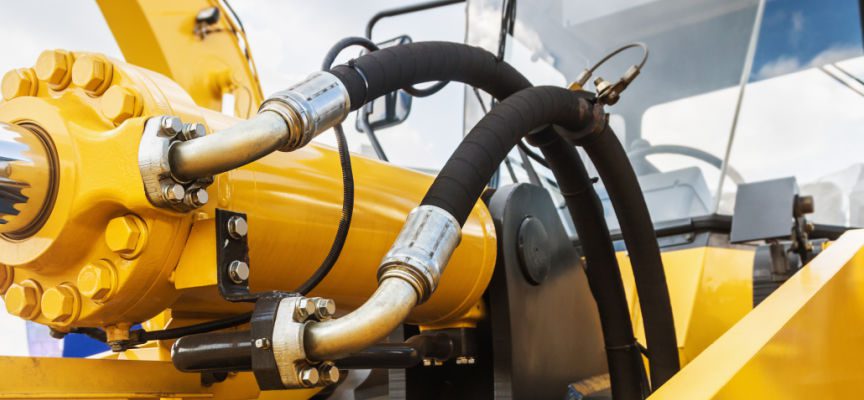
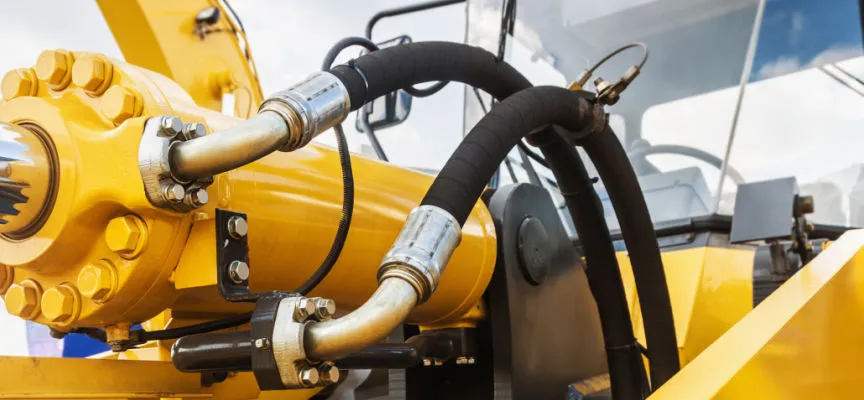
The Vital Guide to Hydraulic Hose Replacement

Hydraulic hoses are the unsung heroes of machinery, transmitting power and fluids to critical components in a wide range of industrial and mobile applications. From construction equipment to manufacturing machinery, these hoses play a pivotal role in ensuring smooth operation and efficiency. However, like all components subject to wear and tear, hydraulic hoses eventually require replacement to maintain optimal performance and safety. In this guide, we’ll explore the importance of hydraulic hose replacement and the key steps involved in the process.

Understanding Hydraulic Hoses:

Hydraulic hoses are flexible tubes designed to transmit hydraulic fluid under high pressure to various components within hydraulic systems. Made from layers of rubber or thermoplastic materials reinforced with wire or textile braids, these hoses must withstand extreme pressures, temperatures, and environmental conditions.

Signs of Wear and Damage:

Regular inspection is crucial to identify signs of wear and damage in hydraulic hoses. Common indicators that a hose may need replacement include:

Leakage: Visible leaks or seepage of hydraulic fluid indicate a compromised hose.
Abrasion: Wear and tear from friction against surfaces or other components can weaken the hose’s integrity.
Cracks or Blisters: Cracks, blisters, or bulges in the hose material are signs of deterioration.
Kinks or Twists: Excessive bending, kinking, or twisting can lead to hose failure.
Softness or Hardness: Changes in the hose’s texture, such as softening or hardening, suggest aging and loss of flexibility.

Importance of Replacement:

Prompt replacement of worn or damaged hydraulic hoses is critical to prevent catastrophic failures and costly downtime. A compromised hose can lead to hydraulic fluid leaks, loss of pressure, decreased system efficiency, and potential safety hazards. Additionally, neglected hoses may cause contamination of hydraulic fluid, leading to damage to other system components.

Hydraulic Hose Replacement Process:

Replacing a hydraulic hose involves several essential steps to ensure proper installation and functionality:

Identify the Correct Hose: Selecting the right replacement hose is crucial to ensure compatibility with the hydraulic system’s specifications, including size, pressure rating, and material.
Prepare the System: Shut down the machinery and relieve pressure from the hydraulic system before starting the replacement process. Clean the surrounding area to prevent contamination.
Remove the Old Hose: Carefully disconnect fittings and couplings securing the old hose to the system. Inspect the fittings for wear or damage and replace if necessary.
Install the New Hose: Install the new hose, ensuring proper alignment and routing to avoid kinks or bends. Use compatible fittings and couplings, and tighten them securely to prevent leaks.
Test for Leaks: After installation, pressurize the hydraulic system and inspect the connections for any signs of leakage. Address any leaks promptly.
Document and Maintain: Keep detailed records of hydraulic hose replacements, including installation dates, hose specifications, and maintenance schedules. Regularly inspect and replace hoses as needed to maintain system reliability.

Conclusion:

Hydraulic hose replacement is a critical aspect of maintenance for hydraulic systems, ensuring safe and efficient operation. By identifying signs of wear and damage, selecting the right replacement hose, and following proper installation procedures, you can minimize downtime, extend equipment lifespan, and prevent costly repairs. Prioritize regular inspection and maintenance of hydraulic hoses to keep your machinery running smoothly and safely. Contact us for more information about Hydraulic hose replacement.

FAQs: 

1. How often should hydraulic hoses be replaced?

Hydraulic hoses should be replaced based on their condition, usage, and the manufacturer’s recommendations. Regular inspections are crucial to identify signs of wear, such as cracks, abrasions, leaks, or bulging. Typically, hoses in high-pressure or high-temperature applications may need replacement every 1-2 years, while those in less demanding environments can last longer.

2. What are the signs that a hydraulic hose needs replacement?

Common signs include visible cracks, cuts, or abrasions on the hose surface, leaks at fittings or along the hose, bulging or blistering, and reduced flexibility. Additionally, if the hose shows signs of aging, such as hardening or discoloration, or if it has been exposed to extreme conditions, it should be replaced to prevent failure.

3. Can I replace a hydraulic hose myself, or should I seek professional help?

While some individuals with technical knowledge and the right tools can replace hydraulic hoses, it is often recommended to seek professional help. Proper installation requires ensuring the correct hose type, size, and fittings, as well as following safety protocols to avoid leaks or system damage. Professionals can also pressure-test the hose to ensure it meets system requirements.

4. What factors should I consider when selecting a replacement hydraulic hose?

When selecting a replacement hose, consider the operating pressure, temperature range, fluid compatibility, and environmental conditions (e.g., exposure to chemicals, UV light, or abrasion). Ensure the hose length and fittings match the original specifications, and choose a hose with the appropriate reinforcement and cover material for your application. Always refer to the manufacturer’s guidelines for optimal performance.
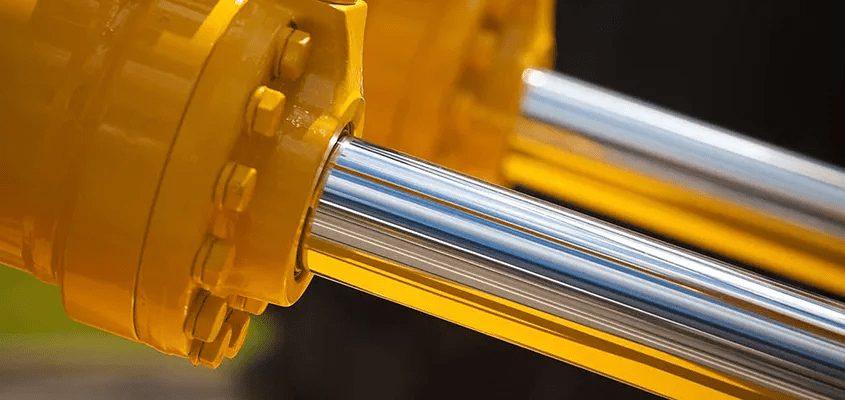
A Comprehensive Guide of Hydraulic Hose Installation

Hydraulic systems are the lifeblood of various industries, powering machinery and equipment with precision and efficiency. At the core of these systems lies a crucial component – the hydraulic hose. Proper installation of hydraulic hoses is paramount to ensure optimal performance, safety, and longevity of the entire hydraulic system. In this blog, we will delve into the essentials of hydraulic hose installation, covering key steps, best practices, and tips to master the art of hydraulic hose installation.

Also Read: Do You Want To Know How To Extend Hydraulic Hose Life?

Guide of hydraulic hose installation:

1. Understanding Hydraulic Hoses:

Before diving into the installation process, it’s essential to have a solid understanding of hydraulic hoses. Hydraulic hoses are flexible tubes designed to transmit hydraulic fluid under high pressure. They are composed of layers of rubber, steel, or other materials to withstand the demands of hydraulic systems.

2. Selecting the Right Hose:

The first step in hydraulic hose installation is choosing the right hose for the application. Consider factors such as pressure ratings, temperature range, flexibility, and compatibility with hydraulic fluids. Using the correct hose ensures optimal performance and minimizes the risk of failures.

3. Inspecting the Hose:

Before installation, carefully inspect the hydraulic hose for any signs of damage or wear. Check for abrasions, cuts, bulges, or leaks. Using a damaged hose can lead to system failure and pose safety risks. If any issues are found, replace the hose before proceeding.

4. Preparing the Hose Ends:

Properly preparing the hose ends is crucial for a secure and leak-free connection. Use a sharp, clean knife to cut the hose at a right angle, ensuring a smooth and even cut. Remove any debris or loose particles from the hose ends.

5. Selecting the Right Fittings:

Matching the hose with the correct fittings is vital. Ensure that the fittings are compatible with the hose and are suitable for the application. Using the wrong fittings can compromise the integrity of the connection and lead to leaks.

6. Assembling the Components:

Assemble the hose and fittings according to the manufacturer’s specifications. Pay attention to the recommended torque values for tightening fittings. Over-tightening can damage the hose, while under-tightening may result in leaks.

7. Routing and Clamping:

Proper routing of the hydraulic hose is essential to prevent kinking, abrasion, or excessive bending. Use appropriate clamps to secure the hose in place, maintaining the recommended minimum bend radius. Avoid sharp edges and hot surfaces that could damage the hose.

8. Testing for Leaks:

After installation, conduct a thorough leak test. Pressurize the system to the specified operating pressure and inspect for any signs of leakage. Address any leaks promptly to prevent fluid loss and ensure the safety of the hydraulic system.

9. Documentation and Maintenance:

Keep detailed records of hydraulic hose installations, including the type of hose, fittings used, installation date, and any maintenance performed. Regularly inspect hoses for wear and replace them as needed to prevent unexpected failures.

10. Training and Compliance:

Ensure that personnel involved in hydraulic hose installation are trained in proper procedures and safety protocols. Compliance with industry standards and regulations is crucial for maintaining a safe and efficient hydraulic system.

Conclusion

Mastering the art of hydraulic hose installation is essential for the reliability and safety of hydraulic systems. By following these guidelines, professionals can ensure proper selection, assembly, and maintenance of hydraulic hoses, ultimately contributing to the longevity and efficiency of industrial machinery and equipment. Contact us to know more information of Hydraulic hose.

FAQs: 

1. Why is proper hydraulic hose installation critical for system performance?

Proper hydraulic hose installation ensures the system operates safely and efficiently. Incorrect installation can lead to leaks, pressure drops, hose failure, and even accidents. Properly installed hoses minimize wear, prevent contamination, and extend the lifespan of both the hose and the hydraulic system.

2. What are the key steps for installing a hydraulic hose correctly?

The key steps for hydraulic hose installation include:

  • Selecting the right hose: Ensure the hose is rated for the system’s pressure, temperature, and fluid type.
  • Cutting to the correct length: Avoid excessive length or tight bends, which can cause stress and failure.
  • Using proper fittings: Choose compatible fittings and secure them tightly to prevent leaks.
  • Routing the hose correctly: Avoid sharp bends, twisting, or contact with abrasive surfaces.
  • Testing the installation: Check for leaks and proper function before putting the system into full operation.
3. What are common mistakes to avoid during hydraulic hose installation?

Common mistakes include:

  • Improper hose length: Too long or too short hoses can cause stress and failure.
  • Incorrect fitting selection: Using incompatible or low-quality fittings can lead to leaks.
  • Twisting the hose: Twisting during installation weakens the hose and can cause premature failure.
  • Ignoring routing guidelines: Poor routing can lead to abrasion, kinking, or interference with other components.
  • Skipping pressure testing: Failing to test the installation can result in undetected leaks or failures.
4. How can I ensure the longevity of a hydraulic hose after installation?

To ensure longevity:

  • Follow manufacturer guidelines: Adhere to recommended installation practices and specifications.
  • Inspect regularly: Check for signs of wear, leaks, or damage during routine maintenance.
  • Protect from abrasion: Use sleeves or guards to prevent contact with sharp edges or moving parts.
  • Avoid over-tightening fittings: Over-tightening can damage the hose and fittings, leading to leaks.
  • Monitor system conditions: Ensure the hose operates within its rated pressure, temperature, and fluid compatibility limits.

Why Hydraulic Hose Failure is a Major Risk for Industrial Operations

Are you aware that a simple hydraulic hose failure can bring industrial operations to a screeching halt? From manufacturing to mining and agriculture, hydraulic hoses are critical components in powering machinery. However, they can also be the weakest link in an operation’s productivity chain if not maintained or replaced regularly. In this blog post, we’ll take a closer look at why hydraulic hose failure is such a significant risk for industrial operations and what steps you can take to prevent it from happening. So buckle up and let’s dive into the world of hydraulic hoses!

Introduction to Hydraulic Hoses

Hydraulic hoses are one of the most important components of any industrial operation. They are responsible for transferring hydraulic fluid between different parts of the system, and if they fail, the entire system can grind to a halt.

There are a number of reasons why hydraulic hoses can fail, but the most common is due to wear and tear. Over time, the hose material will break down and weaken, eventually leading to a rupture. Other causes of failure include kinking, improper installation, and damage from UV light or chemicals.

If you suspect that your hydraulic hoses are beginning to fail, it’s important to take action immediately. Contact a professional for an inspection and replace the hoses as soon as possible. Doing so will help avoid costly downtime and keep your operation running smoothly.

What is Hydraulic Hose Failure?

Hydraulic hose failure is a major risk for industrial operations because it can lead to unexpected downtime, equipment damage, and even injuries. There are a number of factors that can contribute to hydraulic hose failure, including improper installation, abrasion, and exposure to extreme temperatures. To avoid these risks, it’s important to work with a qualified hydraulic hose supplier who can help you select the right hose for your application and provide proper installation instructions.

Causes of Hydraulic Hose Failure

There are many potential causes of hydraulic hose failure, but some are more common than others. Here are four of the most frequent causes of hydraulic hose failure:

1. Abrasion

Abrasion is one of the most common causes of hydraulic hose failure. When hoses are used in applications where they rub against other surfaces or are subject to high levels of vibration, the outer layer of the hose can become worn down, exposing the inner layers to damage. This can eventually lead to a hole or tear in the hose, causing fluid to leak out.

2. Chemical attack

Hydraulic fluids contain a variety of chemicals that can be corrosive to certain types of hoses. If a hose is not compatible with the type of fluid it is being used with, the chemical attack can cause deterioration and weakening of the hose material. This can eventually lead to leakage or complete rupture of the hose.

3. Temperature extremes

Both extremely high and low temperatures can cause damage to hydraulic hoses. Exposure to high temperatures can cause the material of the hose to break down and weaken, while exposure to low temperatures can make the material brittle and more susceptible to breaking or cracking. Either extreme can eventually lead to hydraulic fluid leaking from the hose.

4. Improper installation or maintenance

If a hydraulic hose is not installed or maintained properly, it is more likely to fail prematurely. Hoses should be properly routed and secured so that they do not

Risks Associated with Hydraulic Hose Failure

It is a major risk for industrial operations for a variety of reasons. First, hydraulic hoses are under constant pressure and are subject to wear and tear. This can lead to leaks or ruptures, which can be extremely dangerous. Second, hydraulic hoses are often used in high-pressure and high-temperature environments, which can further increase the risk of failure. Finally, hydraulic hoses are often used in critical applications, such as those involving heavy machinery or vehicles. If a hydraulic hose fails in such an application, it could cause serious damage or even injuries.

How to Prevent Hydraulic Hose Failure

It is a major risk for industrial operations for a variety of reasons. First, hydraulic hoses are under constant pressure and are subject to wear and tear. Second, if a hydraulic hose fails, it can cause a loss of power or control, which can lead to equipment damage or even personal injury.

There are a few ways to prevent hydraulic hose failure. First, make sure to use high-quality hoses that are designed for the specific application. Second, inspect hoses regularly for signs of wear or damage, and replace them as needed. Finally, always follow the manufacturer’s instructions when installing or servicing hydraulic hoses.

Conclusion

Hydraulic hose failure is a major risk for industrial operations, and one that should not be taken lightly. With the right maintenance procedures in place and an understanding of potential risks, hydraulic hoses can provide reliable service for many years. However, if proper care is not taken and preventative measures are not followed, these hoses can quickly become a costly problem that could result in unplanned downtime or even catastrophic failures. By taking the steps necessary to identify any potential risks associated with their operation, industries can avoid many of the common issues related to hydraulic hose. Contact us to know more about hydraulic hose.

FAQs:

1. What are the main causes of hydraulic hose failure?
It can be caused by excessive pressure, abrasion, improper installation, fluid contamination, and aging due to temperature and environmental factors.

2. How does hydraulic hose failure impact industrial operations?
A failed hose can lead to system downtime, safety hazards, fluid leaks, and costly repairs, affecting productivity and operational efficiency.

3. What safety risks are associated with hydraulic hose failure?
High-pressure fluid leaks can cause serious injuries, fires, or environmental hazards, making regular inspections and maintenance crucial for workplace safety.

4. How can industries prevent hydraulic hose failure?
Proper hose selection, routine inspections, pressure monitoring, correct installation, and timely replacements help minimize the risk of unexpected failures.

Do You Want To Know How To Extend Hydraulic Hose Life?

If you need a hydraulic hose, we can help! Hoses are a vital part of the machine that keeps your business running smoothly. Unfortunately, they do wear out over time and will eventually need replacement. However, when it comes to determining how long your hose will last, a few things can extend its lifespan.

The first thing you can do is make sure that you use only quality hoses. Hoses with poor construction materials or faulty wiring will not last if those made from higher-quality materials. You should also never run the equipment on which the attachment of the hose is at full capacity—this will cause it to wear out faster than it would otherwise.

Another thing that can help with this issue is keeping an eye on how much pressure is on the hose during operation. If there is too much pressure, this could lead to premature wear and tear on your equipment or even damage that may require repair work or replacement altogether! You must take care of your hydraulic hoses, or they will die on you.

Also Read: A Definitive Guide to Hydraulic Hose Installation

Here Is What You Need To Know About How To Extend Hydraulic Hose Life:

  • Don’t let them get too hot! Hoses will start to melt and leak when they get too hot. So, keep them cool by storing them in a cool place (like the garage) until you need them again.
  • Do not use the same hose for more than one job! Suppose you have several jobs going at once. In that case, it is easy for the same hose to overheat and ruin itself before it has an opportunity to cool down again. So, if you are doing multiple jobs at once, it is best to have several different hoses handy so that each job does not have to share the same hose for long stretches of time.
  • Keep in mind what kind of job you are doing when using a hose—if it is something that requires more force than usual (like moving a heavy object), then make sure to use a larger diameter hose! This will help ensure that the pressure stays constant throughout usage and does not cause anything else around it to explode or catch fire.

Hydraulic hose life is a tricky thing. We see these hydraulic hoses that seem to last forever, but then one day, they just fizzle. It is not that the hoses are bad; it is just that we are constantly putting them through a million different pressures and tests.

Also Read: Hydraulic Hose Replacement Specialists | Trusted Solutions

Final Thoughts

Do not force the hose. You know that saying—do not force it? Well, that is not just for physical labor—it applies to hydraulic hoses, too! Your hoses are meant to work with you and your machine, not against you and your machine. If you use them properly, they will last longer than any other part of your machine. Also, keep them clean! Hoses are made up of thin strands of plastic that connect to metal balls at the end of the hose, so if they get dirty or clogged up with oil or grease, they will not perform as well as they could be expected to. A quick rinse under hot water should do the trick! If you want to purchase hydraulic hose the you can visit your nearest hydraulic hose supplier and visit our Harvard Filtration to learn more about hydraulic hose life.

FAQs:

  • What are the main causes of hydraulic hose failure?
    Hydraulic hoses commonly fail due to excessive pressure, abrasion, improper installation, fluid contamination, and extreme temperatures. Regular inspections and maintenance can help prevent premature failure.
  • How often should I inspect my hydraulic hoses?
    It’s recommended to inspect hydraulic hoses daily in high-use environments and at least once a month for less demanding applications. Look for signs of wear, leaks, or bulging to ensure safety and efficiency.
  • What is the best way to protect hydraulic hoses from abrasion?
    Use protective sleeves, clamps, and proper routing techniques to minimize contact with rough surfaces. Ensuring the hoses are not rubbing against sharp edges or moving components will extend their lifespan.
  • How can I prevent hydraulic hose leaks?
    To prevent leaks, ensure proper fittings and connections, avoid over-tightening, and use the correct hose type for your system’s pressure and temperature requirements. Regular maintenance and timely replacements are key.
Filter Rental