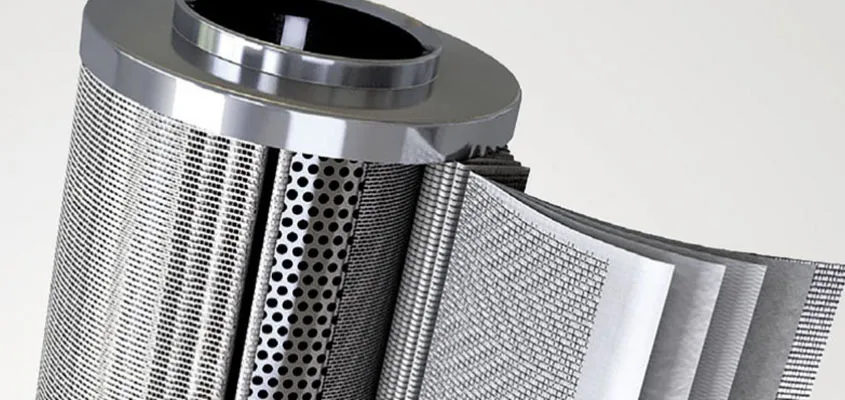
Troubleshooting Guide for High Pressure Hydraulic Filters

Hydraulic systems play a significant role in various industries, from manufacturing to construction. And when it comes to managing hydraulic systems, high pressure hydraulic filters are crucial components that ensure the system runs smoothly and efficiently. However, like any other machinery component, these filters can experience problems that affect their performance and overall function of the hydraulic system. If you’re facing issues with your high pressure filter or want to avoid future problems altogether – this blog post is for you! We’ll discuss common problems encountered by users of high-pressure hydraulic filters and effective solutions to keep your equipment running optimally.

Introduction to High-Pressure Hydraulic Filters

As the name implies, high pressure hydraulic filters are designed to filter fluid at high pressures. They are an essential component of any hydraulic system, and their main purpose is to remove contaminants from the fluid before it enters the system. Common problems with high-pressure filters can include clogging, leaks, and pressure drop. In this article, we will discuss common problems with high-pressure hydraulic filters and provide solutions for each problem.

Clogging is perhaps the most common problem with high-pressure hydraulic filters. Contaminants can build up on the filter element, reducing its efficiency and eventually causing it to fail. The best way to prevent clogging is to use a filter with a larger surface area. This will allow the filter to capture more contaminants before they have a chance to build up on the element. Another solution is to install a bypass valve in the system. This will allow contaminated fluid to bypass the filter when it becomes clogged, preventing system failure.

Leaks are another common problem with high-pressure hydraulic filter. A leaking filter can allow contaminants to enter the system, which can cause damage or even failure. To prevent leaks, be sure to use only high-quality filters that are designed for your specific application. Also, be sure to properly install and maintain your filters according to the manufacturer’s instructions.

Pressure drop is another common problem with high-pressure hydraulic filters.

Common Problems with High-Pressure Hydraulic Filters

High-pressure hydraulic filters are an important part of any hydraulic system. They help to keep the fluid clean and free of contaminants that can damage the system components. However, these filters can also cause problems if they are not maintained properly.

The most common problem with high-pressure filters is clogging. This can happen when the filter elements become covered with dirt and debris. If the clogging is not removed, it can eventually lead to a complete blockage of the filter. This can cause serious problems for the hydraulic system, including loss of pressure, increased wear on components, and even system failure.

Another common problem with high-pressure filters is leaks. These can occur at the seals or gaskets that connect the filter to the rest of the system. If a leak is not repaired quickly, it can allow contaminants to enter the system, which can again lead to clogging and other problems.

The best way to avoid these problems is to regularly inspect and clean your high-pressure hydraulic filters. This will help to ensure that they are working properly and will last for many years.

Solutions to Common Problems

Hydraulic filters are designed to remove contaminants from hydraulic fluid. Over time, these contaminants can build up and cause problems with the operation of the filter. Here are some common problems and solutions for high-pressure hydraulic filters:

  1. Contaminants bypassing the filter element: This can happen if the filter element is damaged or not properly seated in the housing. Inspect the filter element and replace it if necessary. Make sure the replacement element is properly seated in the housing.
  2. Clogged filter elements: This can happen if the filter isn’t changed often enough or if there is a high concentration of contaminants in the hydraulic fluid. Change the filter element according to the manufacturer’s recommendations. If you have a high concentration of contaminants, consider installing a pre-filter to extend the life of your filter elements.
  3. Damaged O-rings: This can happen if the O-rings are old or damaged, or if they aren’t compatible with the hydraulic fluid being used. Inspect the O-rings and replace them as necessary. Make sure you use O-rings that are compatible with your hydraulic fluid.
  4. Loose mounting hardware: This can happen if the bolts or other mounting hardware become loose over time. Inspect all mounting hardware and tighten as necessary.

Maintenance Tips for High Pressure Filters

As with any type of filter, high pressure hydraulic filters will require some maintenance in order to keep them functioning properly. Here are some tips on how to maintain your high pressure hydraulic filters:

  • Check the condition of the filter element regularly and replace it if necessary.
  • Make sure that the O-rings and seals are in good condition and replace them if necessary.
  • Clean the filter housing on a regular basis.
  • Keep an eye on the pressure gauge and replace the filter if the pressure drops too low.

By following these simple maintenance tips, you can help to ensure that your high pressure hydraulic filters remain in good working condition.

Benefits of Investing in Quality Filters

As with any investment, there are both risks and rewards associated with choosing to invest in high-quality hydraulic filters. However, when it comes to your business’s bottom line, the benefits of doing so typically outweigh the potential drawbacks. Here are three reasons why investing in quality filters is a smart move for any business:

1. Lower Overall Maintenance Costs

One of the biggest advantages of investing in quality hydraulic filters is that it can help lower your overall maintenance costs. Hydraulic systems are expensive to maintain, and one of the most common reasons for system failures is due to contaminated oil. By using high-quality filters, you can help extend the life of your system and avoid costly repairs down the road.

2. Increased Efficiency

Another benefit of using quality hydraulic filters is that it can help increase the efficiency of your system. Over time, contaminants can build up in your oil, causing your system to work less efficiently. This not only decreases your productivity but can also lead to increased energy costs. By using quality filters, you can help ensure that your system runs at peak efficiency, saving you money in the long run.

3. Enhanced Safety

Lastly, investing in quality hydraulic filters can also enhance safety within your facility. Contaminated oil can cause serious problems if it leaks into sensitive areas or comes into contact with employees. By using high-quality filters, you can help safeguard against these potential hazards and create a safer working environment for everyone involved

Conclusion

High-pressure hydraulic filters can be a complex and daunting task to maintain, but with the right knowledge of common problems and solutions, you can keep your system running smoothly. Whether you are dealing with debris build up or clogged filter elements, there are ways to identify and fix these issues before they become major headaches. By taking preventive maintenance measures such as regularly inspecting your filter elements for signs of wear and tear, you can ensure that your high-pressure hydraulic system stays in top shape. Contact our experts to know more about high pressure hydraulic filters.

FAQs: 

1. What are common signs of a clogged hydraulic filter?
A clogged hydraulic filter may cause high-pressure drops, slow system response, overheating, abnormal noises, or reduced overall efficiency.

2. Why is my hydraulic filter bypassing fluid instead of filtering?
This could happen due to excessive contamination, a damaged bypass valve, or an over-pressurized system, allowing unfiltered fluid to circulate and cause damage.

3. How can I prevent frequent clogging of my hydraulic filter?
Use high-quality hydraulic fluid, monitor contamination levels, replace filters at recommended intervals, and install pre-filters if needed.

4. What should I do if my hydraulic system experiences high pressure after filter replacement?
Check for incorrect filter installation, verify system pressure settings, inspect for blockages, and ensure the filter is rated for the required pressure capacity.
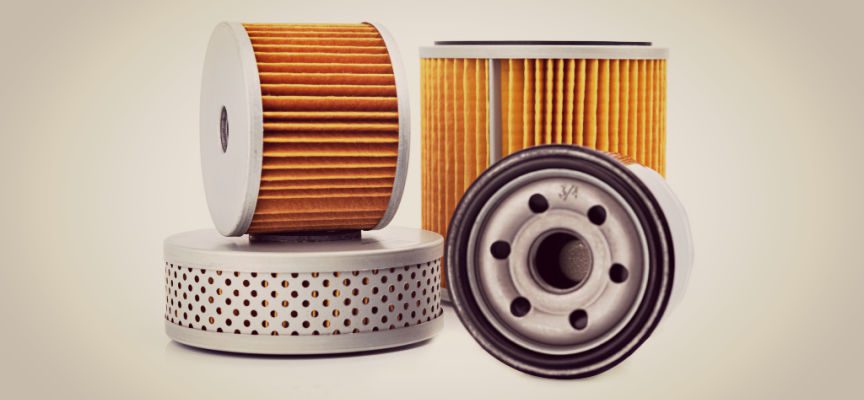
What Is a Hydraulic Filter and Its Types?

A hydraulic filter is a vital component in any hydraulic system. It ensures that the hydraulic fluid remains clean and free from impurities, helping machines operate efficiently and last longer. Over the years, filtration technology has evolved significantly, improving the performance, durability, and reliability of hydraulic systems across industries.

If you’re looking for trusted hydraulic filter suppliers in the USA, Harvard Filtration provides a complete range of hydraulic filter kits and filtration solutions designed to meet diverse industrial requirements.

Purpose of Hydraulic Filters

Hydraulic filters are engineered to remove contaminants such as dirt, debris, and metal particles from hydraulic oil. These impurities can enter the system through worn seals, oil degradation, or environmental exposure. Without proper filtration, these particles can damage valves, pumps, and other sensitive components, leading to performance issues and costly downtime.

Main functions of a hydraulic filter:

  • Protect system components: By trapping solid particles and dirt before they circulate through the system.
  • Maintain oil quality: Ensures hydraulic fluid remains clean and maintains its viscosity and lubricating properties.
  • Extend equipment life: Reduces wear and tear on parts, minimizing maintenance costs.
  • Improve system efficiency: Cleaner oil reduces friction and heat generation, allowing smoother operation.

Simply put, a high-quality hydraulic filter ensures smooth fluid flow, reduces breakdowns, and supports efficient energy use.

Also read: Types of Hydraulic Pumps

How a Hydraulic Filter Works


How a Hydraulic Filter Works

Hydraulic filters work on a simple principle — they separate solid contaminants from the hydraulic fluid before it reaches vital components. The filter element, usually made of pleated paper, metal mesh, or synthetic fibers, captures particles of varying sizes as fluid flows through it. Once the filter becomes clogged, it must be cleaned or replaced to maintain optimal pressure and flow rate.

Harvard Filtration designs its hydraulic filter elements to achieve superior dirt-holding capacity and high filtration efficiency, ensuring compliance with ISO cleanliness standards.

Types of Hydraulic Filters

Hydraulic filters come in several designs, each suited to different system pressures and contamination levels. Here are the major types:

1. Suction Filters

Suction filters are installed before the hydraulic pump. They prevent large contaminants from entering the pump and causing premature wear. These filters are essential for protecting system components during the initial fluid draw.

2. Pressure Line Filters

As the name suggests, pressure line filters are placed directly after the pump in high-pressure circuits. They remove fine particles that pass through suction filters and protect sensitive components like valves and actuators.

3. Return Line Filters

Return line filters are installed before the fluid returns to the reservoir. They capture contaminants generated during system operation and prevent them from re-entering the oil tank.

Example: Harvard Filtration’s return line filters offer high dirt-holding capacity and low pressure drop, ideal for continuous-duty operations.

4. Off-Line Filters (Kidney Loop Systems)

These filters operate in a separate circuit from the main hydraulic loop. They continuously clean the fluid, even when the machine is idle. Harvard Filtration’s off-line filter carts are an excellent choice for proactive maintenance and ensuring long-term oil cleanliness.

5. Spin-On Filters

Spin-on filters are compact, easy-to-replace units commonly used in mobile and industrial equipment. They’re ideal for applications requiring quick servicing and reduced downtime.

6. Magnetic Filters

These filters use magnetic fields to attract and capture metallic particles from hydraulic fluid. They’re often used as secondary filters to enhance system protection.

Also read: Off-line Oil Filtration

Hydraulic Filter Kits and Carts

Hydraulic Filter Kits

A hydraulic filter kit includes all the essential components required for efficient filtration — such as suction, return, and pressure filters. These kits make it easier for operators to maintain their systems without worrying about compatibility issues. Harvard Filtration offers customized hydraulic filter kits tailored to specific machinery types and industrial needs.

Hydraulic Filter Carts

A hydraulic oil filter cart is a portable filtration system designed for off-line cleaning of hydraulic fluids. It helps transfer, filter, and maintain oil cleanliness without interrupting equipment operation. These portable filtration systems are widely used in factories, workshops, and mobile service setups.

Benefits of Using a Filter Cart:

  • Continuous oil purification
  • Easy maintenance and portability
  • Increased equipment reliability
  • Reduced machine wear and breakdowns

If you’re searching for wholesale hydraulic filter suppliers or portable hydraulic filtration systems, Harvard Filtration offers durable, efficient, and cost-effective solutions across North America.

Choosing the Right Hydraulic Filter

When selecting a hydraulic filter, consider these key factors:

  • Filtration Rating: Defines the smallest particle size the filter can capture.
  • Flow Rate: Must match the hydraulic system’s capacity.
  • Operating Pressure: Choose a filter compatible with system pressure.
  • Fluid Compatibility: Ensure the filter media is suitable for your oil type.

Regular inspection and timely replacement are essential to maintaining optimal performance and preventing contamination-related failures.

Benefits of Using Hydraulic Filters

  • Enhances machine performance and system reliability
  • Prevents contamination-related failures
  • Extends component life and reduces repair costs
  • Maintains fluid cleanliness and system pressure
  • Ensures consistent equipment operation in harsh environments

FAQs

1. What does a hydraulic filter do?

A hydraulic filter removes contaminants such as dirt, metal particles, and debris from hydraulic oil. This protects critical components like pumps and valves, improves system efficiency, and extends equipment life.

2. How often should hydraulic filters be replaced?

Hydraulic filters should be replaced based on operating conditions, contamination levels, and manufacturer guidelines. Regular inspection is essential, and filters must be changed when pressure drop increases or contamination indicators activate.

3. What are the different types of hydraulic filters?

Common types of hydraulic filters include suction filters, pressure line filters, return line filters, off-line (kidney loop) filters, spin-on filters, and magnetic filters. Each serves a specific purpose within the hydraulic system.

4. What is an off-line hydraulic filter cart used for?

An off-line hydraulic filter cart is used to clean hydraulic oil independently of the main system. It helps maintain ISO cleanliness levels, reduces machine wear, and allows filtration without shutting down equipment.

5. How do I choose the right hydraulic filter for my system?

To choose the right hydraulic filter, consider filtration rating, flow rate, operating pressure, and fluid compatibility. Selecting the correct filter ensures optimal performance and prevents contamination-related failures.

Conclusion

A hydraulic filter may seem like a small part of the system, but its role is critical in maintaining equipment efficiency and longevity. Whether you need inline hydraulic filters, return line filters, or portable hydraulic filter carts, choosing a trusted supplier makes all the difference.

At Harvard Filtration, we deliver high-quality filtration products and hydraulic filter kits designed for demanding industrial applications. Our filters are engineered to maintain ISO-level cleanliness and extend the lifespan of your machinery.

Explore our full range of hydraulic filtration systems at Harvard Filtration — your reliable hydraulic filter supplier in the USA.

The Importance of Hydraulic Filters

Do you want to know why hydraulic filters are an important part of any high-class hydraulic system? Well, they keep the lubricant from entering the hydraulic system and causing damage. To keep your system running smoothly, it is important to have a good quality hydraulic filter installed in your equipment. Here we’ll discuss about the importance of hydraulic filters.

Must read: How To Choose An Oil Filtration System?

The best way to tell if you need a new hydraulic filter is to check for leaks. If there are any leaks, it is time for a new filter.

The most common place for leaks to occur is on the base plate of the filter housing. Many different types of filters are available on different types of equipment, so it is important to choose the correct type for your needs.

Why Should You Know About Rotating Element Filters?

Some of the most popular types of hydraulic filters include the Rotating Element (RE) Filters. These filters have several layers of material within them that rotate during operation. They also contain an oil return port which allows oil to flow back into the tank after being filter from all other parts of the filter.

This prevents excessive build-up on parts within the final assembly stage (i.e., final assembly stage). They are commonly use in applications requiring frequent cleaning or maintenance due to their large surface area or where they must withstand high pressures within specific operating conditions (i.e., high-pressure applications).

Also read: Roles And Characteristics Of Hydraulic Fluid

Importance of Hydraulic Filters for Machines

Hydraulic filters are a critical part of any machine that uses hydraulic power. They ensure that your machine is operating at peak efficiency and can keep up with the demands of its application.

Hydraulic filters remove impurities from the oil before it enters your engine. The contaminants include dirt, dust, and other debris that can cause damage to the machine or even its components. If your engine gets damage by impurities in its oil, you could have a costly repair bill.

The best way to prevent this is by using a hydraulic filter on your machine. This will ensure that all the impurities should be remove from your engine’s oil before it enters the system.

Hydraulic filters are important in the oil industry. They help to remove impurities from oil, which is important for maintaining the quality of the oil.

These filters can be found in hydraulic pumps, which move fluids through a system. A hydraulic pump’s filter cartridge has designs to catch impurities and assist with filtering the fuel.

Common Filters to Know About Here

The two most common types of hydraulic filters are wet and dry. Wet filters use water to remove impurities from the fuel, while dry filters do not require water to function correctly.

Hydraulic filters are used for various applications, from agricultural machinery to construction equipment. They are also used in vehicles, industry, and for water filtration, wastewater treatment, and other industrial processes.

Most hydraulic filters have several components that work together to remove harmful particles from the fluid being filtered. The most common types of hydraulic filters include:

  • Centrifugal filter
  • Hydro-cyclone filter
  • Pressure filter
  • Filter media (such as ceramic or steel wool)
  • Separator plate/screen

Importance of Hydraulic Filter for Log Splitter

The hydraulic filter is an important part of a log splitter’s system. It has designs to remove particles from the hydraulic oil supply, which is then sent to the hydraulic pump. This lets the pump circulate the oil and make sure it flows through all parts of your machine.

A well-maintained hydraulic filter is a key to keeping your machine running smoothly for years to come. If you do not change them often enough, they can clog up and cause problems in other areas of your machine’s operation.

Installed filters need to be replaced when they become clogged or worn out. Replacing your filter regularly will help keep your system working correctly and prevent damage to other parts of your machine.

Overall

Hydraulic oil filters have designs to catch all the dirt and debris produced by your machine, while hydraulic filter housings help keep the contaminants out of your hydraulic fluid. A standard hydraulic filter consists of a housing, a media pack, and a diaphragm or cartridge.

FAQs:

1. Why are hydraulic filters crucial for hydraulic systems?
Hydraulic filters are essential for maintaining the cleanliness of hydraulic fluid by removing contaminants like dirt, metal particles, and debris. Clean hydraulic fluid ensures optimal system performance, reduces wear on components, and prevents costly equipment failures.

2. How do hydraulic filters extend the lifespan of a hydraulic system?
By keeping hydraulic fluid free from contaminants, filters protect critical components such as pumps, valves, and actuators from premature wear and damage. This helps reduce repair costs, improves reliability, and extends the overall lifespan of the system.

3. What happens if a hydraulic system operates without a proper filtration system?
Without adequate filtration, contaminants can accumulate in the hydraulic fluid, leading to clogged components, reduced efficiency, overheating, and eventual system breakdowns. This can result in costly downtime and repairs.

4. How often should hydraulic filters be replaced or maintained?
The replacement or maintenance schedule for hydraulic filters depends on factors such as the system’s operating environment, workload, and manufacturer recommendations. Regular inspection and timely replacement ensure optimal system performance and help avoid damage caused by clogged or worn-out filters.


Filter Rental