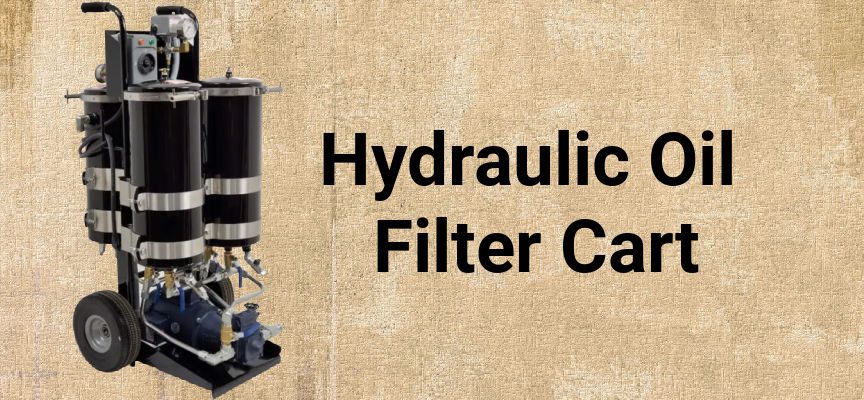
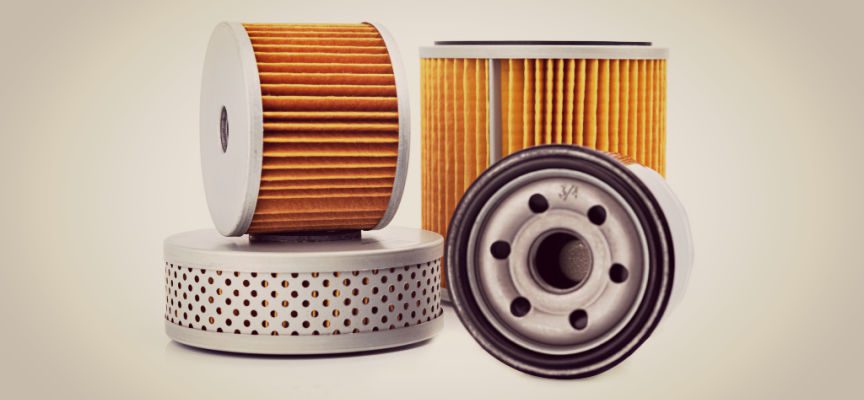
In the dynamic world of machinery and industrial equipment, maintaining optimal performance is crucial. One often overlooked yet vital component in this quest for efficiency is the hydraulic filter cart. This unsung hero plays a pivotal role in ensuring the longevity and reliability of hydraulic systems. In this blog post, we will delve into the various uses of hydraulic filter carts and explore how they contribute to the seamless operation of hydraulic machinery.
Contaminant Removal:
Hydraulic systems are susceptible to contamination from particles, water, and other impurities. Hydraulic filter carts act as the frontline defenders, capturing and removing contaminants before they can wreak havoc on the system. This ensures cleaner hydraulic fluid, reducing wear and tear on components and extending the overall lifespan of the machinery.
Fluid Purification:
Hydraulic fluids are the lifeblood of hydraulic systems. Over time, these fluids can degrade due to oxidation and thermal stress. Hydraulic filter carts are equipped with high-efficiency filtration elements that help purify the hydraulic fluid, maintaining its viscosity and thermal stability. This, in turn, promotes smoother operation and enhances the system’s overall efficiency.
On-Site Filtration:
One of the standout features of hydraulic filter carts is their portability. These carts are designed for on-site use, allowing for easy mobility between different pieces of equipment. This portability enables operators to perform filtration directly at the machinery, minimizing downtime and maximizing productivity. It’s a cost-effective and time-efficient solution for maintaining hydraulic systems.
Preventive Maintenance:
Regular maintenance is key to preventing unexpected breakdowns and costly repairs. Hydraulic filter carts play a crucial role in preventive maintenance by providing a proactive approach to system care. By routinely using a hydraulic filter cart, operators can remove contaminants and ensure the hydraulic system operates at peak performance, reducing the risk of unexpected failures.
Versatility in Applications:
Hydraulic filter carts are not limited to specific industries or applications. They find utility across a wide range of sectors, from manufacturing and construction to agriculture and aviation. Whether it’s cleaning hydraulic systems in heavy machinery or filtering hydraulic fluids in aircraft, these carts are versatile tools that adapt to diverse operational needs.
Environmentally Friendly:
By maintaining the cleanliness and efficiency of hydraulic systems, hydraulic filter carts contribute to environmental sustainability. Clean hydraulic fluids result in reduced energy consumption and lower emissions. Additionally, by extending the lifespan of hydraulic components, these carts help reduce the environmental impact associated with manufacturing and disposing of machinery parts.
Conclusion:
In the world of hydraulic systems, the hydraulic filter cart emerges as a silent guardian, diligently working to preserve the health and efficiency of machinery. From contamination removal to on-site filtration, these carts are indispensable tools that contribute to the seamless operation of hydraulic systems. Investing in hydraulic filter carts is not just a maintenance strategy; it’s a commitment to the longevity and optimal performance of industrial equipment.
FAQs:
1. What is a hydraulic filter cart, and how does it work?
A hydraulic filter cart is a portable filtration system designed to remove contaminants from hydraulic fluids. It works by circulating oil through high-efficiency filters, ensuring clean fluid and protecting system components from wear and failure.
2. What are the primary uses of hydraulic filter carts?
Hydraulic filter carts are used for fluid transfer, system maintenance, oil purification, and contamination control. They help extend equipment life, reduce downtime, and maintain optimal system performance.
3. When should a hydraulic filter cart be used?
Filter carts should be used during new oil transfer, routine maintenance, after system repairs, or when fluid analysis shows high contamination levels. Regular use prevents premature wear and costly breakdowns.
4. How do hydraulic filter carts improve system efficiency?
By continuously removing contaminants, filter carts enhance fluid cleanliness, reduce component wear, prevent blockages, and improve overall system efficiency and reliability.
In the world of hydraulic systems, ensuring smooth operation and longevity is paramount. One often overlooked but critical decision is choosing between a hydraulic oil suction filter vs strainer. While both serve the purpose of keeping contaminants at bay, understanding the differences and benefits of each is crucial for optimal system performance.
Hydraulic Oil Suction Filter:
A hydraulic oil suction filter is a component designed to remove impurities from the fluid as it enters the hydraulic pump. It is typically located on the suction side of the pump, acting as the first line of defense against contaminants. Here are some key advantages of using a hydraulic oil suction filter:
Fine Particle Filtration: Suction filters are adept at capturing smaller particles, preventing them from entering the hydraulic system. This helps maintain the cleanliness of the oil and protects sensitive components.
Extended Component Life: By effectively filtering out contaminants, hydraulic oil suction filters contribute to the prolonged life of hydraulic components, reducing the risk of wear and tear.
Improved System Efficiency: Cleaner hydraulic fluid translates to improved efficiency. Suction filters play a vital role in minimizing friction and maintaining the hydraulic system’s overall performance.
Hydraulic Strainer:
On the other hand, hydraulic strainers are generally coarser filters installed on the suction line. While they also prevent debris from entering the system, their design is geared towards larger particles. Here are some benefits of using a hydraulic strainer:
Simple Design: Strainers are often simpler in design compared to suction filters, making them easy to install and maintain. This simplicity can be an advantage in certain applications.
High Flow Rates: Strainers typically offer higher flow rates, making them suitable for applications where maintaining fluid flow is critical. However, it’s important to note that this comes at the expense of finer particle filtration.
Cost-Effective: Hydraulic strainers are generally more cost-effective than suction filters. This can be a deciding factor for applications where budget constraints are a consideration.
Choosing the Right Option:
The decision between a hydraulic oil suction filter and a strainer depends on several factors, including the specific requirements of the hydraulic system, the level of contamination in the operating environment, and the budget constraints.
For applications where maintaining a high level of cleanliness is paramount, such as in precision machinery or critical industrial processes, a hydraulic oil suction filter is the preferred choice. On the other hand, if cost-effectiveness and high flow rates are more critical, a hydraulic strainer may be the better option.
Conclusion:
In the world of hydraulic systems, making informed decisions about filtration components is essential for long-term reliability and performance. Whether opting for a hydraulic oil suction filter or a strainer, understanding the unique advantages of each and tailoring the choice to the specific needs of the hydraulic system will contribute to optimal functionality and extended component life. Contact us to know more information about hydraulic oil suction filter vs. strainer.
FAQs:
1. What is the difference between a hydraulic oil suction filter and a strainer?
A hydraulic oil suction filter is designed to remove fine contaminants from the fluid using a replaceable filter element, offering higher filtration efficiency. A strainer, on the other hand, is a coarse mesh screen that captures larger debris but does not filter out smaller particles. Filters are more effective for maintaining fluid cleanliness, while strainers are typically used as a first line of defense.
2. When should I use a suction filter versus a strainer in a hydraulic system?
Use a suction filter when the system requires high levels of fluid cleanliness, such as in precision machinery or systems with sensitive components. Use a strainer in applications where the primary concern is preventing large debris from entering the pump, such as in rough environments or systems with lower contamination risks.
3. What are the advantages and disadvantages of suction filters and strainers?
Suction Filters: Advantages: High filtration efficiency, protects sensitive components, improves system longevity. Disadvantages: Higher cost, requires regular maintenance, can cause pressure drops if not sized correctly.
Strainers: Advantages: Low cost, simple design, effective for capturing large debris. Disadvantages: Limited filtration capability, does not protect against fine contaminants, may require frequent cleaning.
Hydraulic systems are becoming increasingly complex, and their filters need to keep up. Filtration is key in keeping your hydraulic system working properly by preventing particle contamination from disrupting its performance. Hydraulic filters come in two main options: metal mesh and fiberglass filter media as per this post’s topic. Though they share a common goal, each type of filter has their own advantages and disadvantages that make them suitable for different applications.
In this post, you will explore the basics of both metal mesh and fiberglass filters. The modern hydraulic oil filter comes in two varieties: metal mesh and fiberglass: both of which protect your equipment from contamination. Each filter will usually consist of a mesh or fiberglass element, designed to trap particles that could cause wear or malfunction to sensitive components.
Understanding Different Types of Hydraulic Filter Materials: Metal Mesh and Fiberglass
Airborne pollutants, rust and other contaminants are the enemies of hydraulic systems, affecting component performance and lifetime. Choosing an efficient filter material is essential for protecting sensitive components from faulty operation or even complete failure. Hydraulic oil filters come in two major forms: metal mesh media and fiberglass media. Each comes with its own set of advantages and disadvantages. Understanding which is more suitable for your hydraulic system starts with knowing the basics of both types.
Reasons Metal Mesh Is a Better Filtration Option
Metal mesh, also known as honeycomb, is a better option for filtration than other types of mesh. It is lighter, stronger, and easier to clean. It has many ways of use: from making window screens or mosquito nets to filtering water. Metal mesh is a more effective filtration option than any other material. The main reasons:
Metal mesh is better than other materials is that it can filter out smaller particulates.
It will remove more contaminants from your water than other materials.
A metal mesh filter is cleanable and reusable more easily than other types of filters, so you won’t have to replace it as often.
Another advantage of metal mesh filters over other types of oil filters is that they are not affected by chemical changes in the water supply, unlike activated carbon filters and open-air filters.
You don’t have to worry about losing their effectiveness over time due to the deterioration of the water quality.
Metal mesh is a better option than alternatives like fiberglass, because it can filter out heavy metals, which are potentially harmful to your health. Metal mesh has no such dangers associated with it. It has metal rods shreds together that have been ground down into very small pieces so that they fit together like puzzle pieces without any sharp edges or points where things might get stuck in between them all together.
Improvements with Up-taking Metal Mesh Filters
Metal mesh filters can reduce energy consumption by filtering out large amounts of waste material from a water source before it enters a home or business building’s plumbing system. This means less power is in use to run these systems compared to traditional systems that do not include metal mesh filters. The main disadvantage to using this type of filter is that they tend to take longer than other types because they have so many holes through which water must flow before it reaches ground level where it exits into another container or drainage system outside your property boundaries.
Environmental Considerations
Metal mesh and fiberglass hydraulic filters are typically made from either stainless steel or aluminium. Both materials have advantages and disadvantages regarding their environmental impacts. Stainless steel has a lower carbon footprint than aluminium because it is not from raw materials such as oil or coal. However, it does require additional processing steps during manufacture that can result in higher emissions than those produced by aluminum. Aluminum has a lower carbon footprint than stainless steel because it has recycled material rather than new raw materials such as petroleum products. It requires more energy to produce than stainless steel does.
Cost Considerations
Metal mesh and fiberglass hydraulic filters are typically more expensive than other types of filters, especially when compared with paper or plastic media filtration systems. It requires more processing steps during manufacture and generally costs more per unit volume due to its higher cost. Metal mesh and fiberglass hydraulic filters are both effective ways to remove particulate matter from water. However, they have a few important differences:
Metal Mesh Filters: These filters employ a metal mesh as their main component. The metal mesh has alternating layers of stainless steel and aluminium, which allows these filters to trap larger particles than fiberglass filters. They are also less expensive than fiberglass filters, but they can be more difficult to install because they require the use of special tools and skills.
Fiberglass Hydraulic Filters: Fiberglass hydraulic filters employ fiberglass strands are together in a specific pattern to trap large particles like sand and silt. These filters are typically more expensive than metal mesh filters, but they can be easier to install since they rely on gravity rather than pumps or motors for filtering purposes.
Metal Mesh and Fiberglass Hydraulic filters comparison
Metal Mesh
Fiberglass
Reduces CO2 emissions by 20%
Decrease CO2 emissions by 30%
Reduces nitrogen oxide (NOx) emissions by 50%
Decrease NOx emissions by 60%
Usually inexpensive, filter out deep
More expensive, capacity to filter more waste water
Easy to maintain
Require frequent maintenance
Filters tend to last longer
Typically, 5-6 years
Conclusion:
Metal mesh and fiberglass hydraulic oil filters operate in a variety of environments. However, they also have some specific needs that need to be considered when making decisions about their use. These filters are in areas with harsh flushing conditions, such as oil refineries and natural gas wells. In these situations, the filters should be able to withstand strong hydrostatic pressure and corrosive chemicals that can damage the filter elements. These filters are built for durability and longevity over time. It is important that these filters be able to withstand extremes of temperature without failing due to improper design or poor manufacture quality control standards. Contact us for more information about filters.
FAQs
1. Why do hydraulic mesh filters last longer than fiber filters?
Hydraulic mesh filters last longer because their stainless steel or metal construction resists wear and tear, while fiber filters degrade faster due to clogging and material breakdown.
2. How do hydraulic mesh filters improve filtration efficiency compared to fiber filters?
Hydraulic mesh filters improve efficiency by maintaining consistent flow and trapping contaminants without restricting fluid movement, whereas fiber filters can become saturated and reduce performance.
3. Why do hydraulic mesh filters require less frequent replacement than fiber filters?
Hydraulic mesh filters require less frequent replacement because they can be cleaned and reused multiple times, whereas fiber filters must be replaced once they reach their dirt-holding capacity.
In the realm of hydraulic systems, the choice of filtration technology plays a pivotal role in ensuring optimal performance, efficiency, and longevity. Filters are the unsung heroes, safeguarding hydraulic systems by trapping contaminants and preventing them from causing damage. While both metal mesh and fiberglass filters are commonly used, the former stands out as a superior choice for several reasons. In this blog, we’ll delve into the advantages that make metal mesh filters the preferred option over their fiberglass counterparts in hydraulic systems.
Enhanced Filtration Efficiency
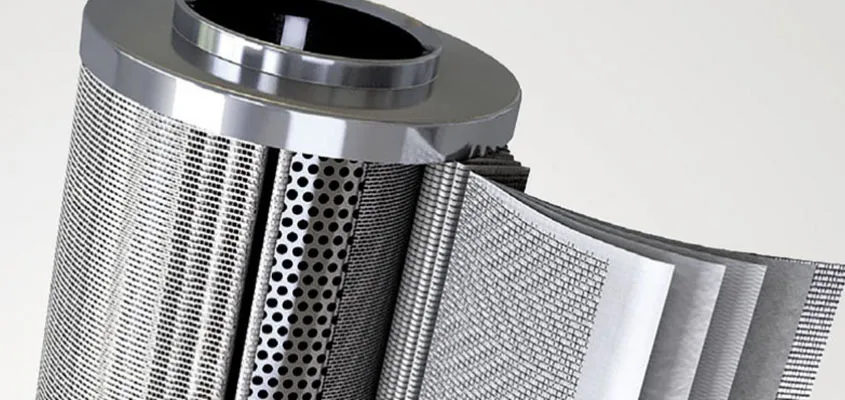
Metal mesh filters are designed with interwoven layers of stainless steel or other alloys, providing a more intricate and fine structure compared to fiberglass filters. This intricate design allows for superior filtration efficiency, capturing contaminants of various sizes more effectively. Fiberglass filters, while efficient to a certain extent, might not consistently trap smaller particles, risking potential damage to the hydraulic system components.
Durability and Longevity
One of the primary advantages of metal mesh filters is their durability. These filters are constructed from robust materials, making them more resistant to wear, tear, and corrosion compared to fiberglass. In hydraulic systems that operate under extreme conditions such as high pressures or temperature differentials, metal mesh filters maintain their structural integrity, ensuring prolonged and reliable performance. Fiberglass filters, on the other hand, might deteriorate more quickly, requiring more frequent replacements and potentially causing unexpected failures.
Resistance to Pressure Fluctuations
Hydraulic systems often experience fluctuations in pressure levels due to operational demands. Metal mesh filters are better equipped to handle these pressure changes. The sturdy construction of metal mesh allows them to withstand varying pressure differentials without compromising their effectiveness. Fiberglass filters might not have the same level of resilience, leading to potential bypass issues during pressure spikes, which could result in contaminants entering the system.
Ease of Maintenance
Metal mesh filters are often reusable and can be cleaned, unlike fiberglass filters that typically need replacement once they reach their capacity. This reusability not only reduces operational costs but also contributes to environmental sustainability. Regular maintenance involving cleaning and reinstallation of metal mesh filters is more cost-effective and eco-friendly compared to the frequent disposal and replacement required by fiberglass filters.
Consistency in Filtration Performance
Metal mesh filters offer a consistent level of filtration performance throughout their lifespan. The uniform design and robust structure ensure that the filtering capabilities remain stable, providing a reliable level of protection for the hydraulic system. Fiberglass filters might experience a decline in performance as they accumulate contaminants, potentially allowing smaller particles to pass through as the filter becomes saturated.
In conclusion, while fiberglass filters have their place in filtration systems, the advantages presented by metal mesh filters make them the superior choice for hydraulic systems. Their enhanced filtration efficiency, durability, resistance to pressure changes, reusability, and consistent performance make them a valuable investment for maintaining the optimal functionality of hydraulic systems in various industries.
When selecting filtration systems for hydraulic machinery, considering the long-term benefits and performance advantages of metal mesh filters can significantly contribute to the efficiency and longevity of the system, ensuring smooth operations and minimizing the risk of damage from contaminants.
Choosing the right filter can make a substantial difference in the reliability and lifespan of a hydraulic system. The robustness and efficiency of metal mesh filters unquestionably position them as the frontrunners in the quest for optimal filtration in hydraulic applications. Contact our experts to know more about the superiority.
FAQs:
1. Why are metal mesh filters considered superior to fiberglass filters in hydraulic systems?
Metal mesh filters are superior due to their durability, higher temperature resistance, and ability to withstand higher pressure differentials. Unlike fiberglass filters, which can degrade over time, metal mesh filters maintain their structural integrity, ensuring consistent filtration efficiency and longer service life. Additionally, metal mesh filters are reusable and easier to clean, making them more cost-effective in the long run.
2. How do metal mesh filters improve filtration efficiency compared to fiberglass filters?
Metal mesh filters offer precise and consistent pore sizes, which provide more reliable filtration of contaminants. Fiberglass filters, on the other hand, can have irregular pore structures that may allow smaller particles to pass through. Metal mesh filters also handle higher flow rates without compromising performance, ensuring optimal hydraulic system operation.
3. Are metal mesh filters more environmentally friendly than fiberglass filters?
Yes, metal mesh filters are more environmentally friendly. They are reusable and can be cleaned and reinstalled multiple times, reducing waste. Fiberglass filters, however, are typically disposable and contribute to landfill waste after use. The longer lifespan of metal mesh filters also means fewer replacements, further minimizing environmental impact.
4. Can metal mesh filters handle extreme operating conditions better than fiberglass filters?
Absolutely. Metal mesh filters excel in extreme conditions, such as high temperatures, high pressures, and corrosive environments, where fiberglass filters may fail or degrade. Their robust construction ensures reliable performance in demanding hydraulic applications, making them the preferred choice for industries requiring high-performance filtration solutions.
Are you considering a hydraulic filtration system for your operation? Or perhaps, you already have one but unsure when it’s best practice to change hydraulic filters? We will dive into what needs to be considered when determining the appropriate time and frequency of changes for your hydraulic oil filter.
We will look at factors such as condition-based monitoring, contamination levels in oil filtration systems, and other important considerations. To get ahead on hydraulic filtration system maintenance, let’s first discuss the importance to change hydraulic filters.
Your hydraulic filtration system is an integral part of your machinery and requires regular upkeep. But when should you change the filters within it? How do you determine if a filter needs to be changed based on its condition? What are the benefits of keeping up with regular filter maintenance? We’ll answer all these questions and more to provide novice and experienced operators alike a better understanding of their hydraulic filtration system’s requirements. Do check out our other blogs!
Many industries that use hydraulic filters include mining, construction, and agricultural equipment. These industries all have their own specific needs when it comes to hydraulic filters. According to the manufacturer’s specifications for each type of hydraulic filter and based on how often you expect to use your equipment, you should change your hydraulic filters.
Also, if you want to know when it is time to change your hydraulic filter, consider how much time passes when you last change your oil and how many miles per hour your vehicle travels on average each year. In some case, these two things are not known, then it may be best to consult with your local dealer or manufacturer before making any decisions about changing your filter.
When to Change Hydraulic Filters
The fundamentals of maintaining high quality operating performance revolve around utilizing an effective hydraulic filtration system. Many operations across industry rely on these machines to keep process fluid clean from particles that can damage bearings or generate significant heat in machinery components due to friction/abrasion wear.
But simply installing a hydraulic oil filter isn’t enough; proper maintenance is key! Not only must its working condition be assessed regularly but more importantly knowing WHEN TO CHANGE HYDRAULIC FILTERS is essential.
Ever wonder when you should change your hydraulic oil filter? It’s a good question. And the answer is: not often. Know about a few reasons why you might want to change your hydraulic oil filter, and they’re all pretty good reasons: 1) you’ve run a lot of water through your machine and it doesn’t seem to be cutting through it like it used to (this could mean old or clogged oil); 2) there’s an oil leak.
Do You Need Help To Change Hydraulic Filters?
Changing hydraulic filters is a regular maintenance task that you should do on a regular basis. This is because hydraulic filters protect your engine from contamination and wear, which can cause problems if they are not changed regularly.
When you change hydraulic filters, they will remove dirt and other contaminants from the oil in your engine. This prevents the contaminants from entering your engine and causing damage.
Conclusion
With advancements in technology, today’s hydraulic oil filters have become much more efficient at sifting out particles from your oil. Depending on what type of fluid flow requirements you have for cleaning different types of contaminants can determine how frequently or often filters may need to change.
Additionally, there are several factors that must consider before deciding when it is time to change hydraulic filter. It may seem like an unnecessary task that does not benefit production. However, there are many advantages that users can enjoy by performing proper maintenance with regards to changing hydraulic filters regularly as needed. For more information about hydraulic filters, you can contact us our Harvard Filtration experts for help.
Are you tired of dealing with costly and time-consuming maintenance issues in your hydraulic system? Look no further than a high quality filter element! Not only does it protect your system from harmful contaminants, but it also improves efficiency and extends the lifespan of your equipment. In this blog post, we’ll dive into why a top-notch element filter is essential for ensuring optimal performance and minimizing downtime. Don’t let dirty fluid ruin your day – read on to learn more about how an effective filtration solution can revolutionize your hydraulic system!
What is a High Quality Element Filter?
A high quality element filter is an important part of a hydraulic system. It helps to remove contaminants from the hydraulic fluid, protecting the system components from wear and damage. A good element filter will also help to improve the efficiency of the system by allowing it to operate at its optimal level.
Benefits of Installing a High Quality Element Filter in Your Hydraulic System
A high quality element filter is essential for your hydraulic system for many reasons. The most important reason is that it protects your system from harmful contaminants that could damage your equipment or cause costly downtime. Other benefits of installing an element filter in your hydraulic system include:
Reduced wear on components
Lengthened equipment life
Improved system performance
Reduced maintenance costs
Maintenance Tips for Your High Quality Element Filter
A quality element filter is an essential part of any hydraulic system. Here are some tips to keep your filter in top condition:
Always check the manufacturer’s recommendations for maximum operating pressure and flow.
Inspect the element filter regularly for signs of wear or damage, and replace it if necessary.
Keep the filter clean by flushing it with clean oil or solvent.
Alternatives to High Quality Element Filters
There are a few alternatives to high quality element filters that can be used in hydraulic systems. These alternatives include:
Using a lower quality filter
Not using a filter at all
Using a different type of filter altogether
Conclusion
In conclusion, it is easy to see why a element filter is an essential component for any hydraulic system. Not only does it protect the system from dirt and contaminants, but it also helps ensure that your machinery operates reliably and efficiently. Investing in a good quality filter can save you time, money and hassle in the long run by extending the life of your equipment and guaranteeing optimum performance. Contact us for the more information about the element filter.
FAQs:
1. What is the role of an element filter in a hydraulic system?
A hydraulic element filter removes contaminants like dirt, metal particles, and moisture from the hydraulic fluid, preventing system damage and ensuring smooth operation.
2. How does a high-quality filter improve hydraulic system performance?
A premium filter enhances efficiency by reducing wear, preventing blockages, and maintaining optimal fluid cleanliness, which extends the lifespan of components.
3. What happens if a low-quality or clogged filter is used?
Using a poor-quality or clogged filter can lead to fluid contamination, increased wear and tear, reduced efficiency, overheating, and potential system failure.
4. How often should a hydraulic filter be replaced? Filter replacement depends on system usage and operating conditions, but regular checks and timely replacements help maintain efficiency and prevent costly breakdowns.
Hydraulic systems play a significant role in various industries, from manufacturing to construction. And when it comes to managing hydraulic systems, high pressure hydraulic filters are crucial components that ensure the system runs smoothly and efficiently. However, like any other machinery component, these filters can experience problems that affect their performance and overall function of the hydraulic system. If you’re facing issues with your high pressure filter or want to avoid future problems altogether – this blog post is for you! We’ll discuss common problems encountered by users of high-pressure hydraulic filters and effective solutions to keep your equipment running optimally.
Introduction to High-Pressure Hydraulic Filters
As the name implies, high pressure hydraulic filters are designed to filter fluid at high pressures. They are an essential component of any hydraulic system, and their main purpose is to remove contaminants from the fluid before it enters the system. Common problems with high-pressure filters can include clogging, leaks, and pressure drop. In this article, we will discuss common problems with high-pressure hydraulic filters and provide solutions for each problem.
Clogging is perhaps the most common problem with high-pressure hydraulic filters. Contaminants can build up on the filter element, reducing its efficiency and eventually causing it to fail. The best way to prevent clogging is to use a filter with a larger surface area. This will allow the filter to capture more contaminants before they have a chance to build up on the element. Another solution is to install a bypass valve in the system. This will allow contaminated fluid to bypass the filter when it becomes clogged, preventing system failure.
Leaks are another common problem with high-pressure hydraulic filter. A leaking filter can allow contaminants to enter the system, which can cause damage or even failure. To prevent leaks, be sure to use only high-quality filters that are designed for your specific application. Also, be sure to properly install and maintain your filters according to the manufacturer’s instructions.
Pressure drop is another common problem with high-pressure hydraulic filters.
Common Problems with High-Pressure Hydraulic Filters
High-pressure hydraulic filters are an important part of any hydraulic system. They help to keep the fluid clean and free of contaminants that can damage the system components. However, these filters can also cause problems if they are not maintained properly.
The most common problem with high-pressure filters is clogging. This can happen when the filter elements become covered with dirt and debris. If the clogging is not removed, it can eventually lead to a complete blockage of the filter. This can cause serious problems for the hydraulic system, including loss of pressure, increased wear on components, and even system failure.
Another common problem with high-pressure filters is leaks. These can occur at the seals or gaskets that connect the filter to the rest of the system. If a leak is not repaired quickly, it can allow contaminants to enter the system, which can again lead to clogging and other problems.
The best way to avoid these problems is to regularly inspect and clean your high-pressure hydraulic filters. This will help to ensure that they are working properly and will last for many years.
Solutions to Common Problems
Hydraulic filters are designed to remove contaminants from hydraulic fluid. Over time, these contaminants can build up and cause problems with the operation of the filter. Here are some common problems and solutions for high-pressure hydraulic filters:
Contaminants bypassing the filter element: This can happen if the filter element is damaged or not properly seated in the housing. Inspect the filter element and replace it if necessary. Make sure the replacement element is properly seated in the housing.
Clogged filter elements: This can happen if the filter isn’t changed often enough or if there is a high concentration of contaminants in the hydraulic fluid. Change the filter element according to the manufacturer’s recommendations. If you have a high concentration of contaminants, consider installing a pre-filter to extend the life of your filter elements.
Damaged O-rings: This can happen if the O-rings are old or damaged, or if they aren’t compatible with the hydraulic fluid being used. Inspect the O-rings and replace them as necessary. Make sure you use O-rings that are compatible with your hydraulic fluid.
Loose mounting hardware: This can happen if the bolts or other mounting hardware become loose over time. Inspect all mounting hardware and tighten as necessary.
Maintenance Tips for High Pressure Filters
As with any type of filter, high pressure hydraulic filters will require some maintenance in order to keep them functioning properly. Here are some tips on how to maintain your high pressure hydraulic filters:
Check the condition of the filter element regularly and replace it if necessary.
Make sure that the O-rings and seals are in good condition and replace them if necessary.
Clean the filter housing on a regular basis.
Keep an eye on the pressure gauge and replace the filter if the pressure drops too low.
By following these simple maintenance tips, you can help to ensure that your high pressure hydraulic filters remain in good working condition.
Benefits of Investing in Quality Filters
As with any investment, there are both risks and rewards associated with choosing to invest in high-quality hydraulic filters. However, when it comes to your business’s bottom line, the benefits of doing so typically outweigh the potential drawbacks. Here are three reasons why investing in quality filters is a smart move for any business:
1. Lower Overall Maintenance Costs
One of the biggest advantages of investing in quality hydraulic filters is that it can help lower your overall maintenance costs. Hydraulic systems are expensive to maintain, and one of the most common reasons for system failures is due to contaminated oil. By using high-quality filters, you can help extend the life of your system and avoid costly repairs down the road.
2. Increased Efficiency
Another benefit of using quality hydraulic filters is that it can help increase the efficiency of your system. Over time, contaminants can build up in your oil, causing your system to work less efficiently. This not only decreases your productivity but can also lead to increased energy costs. By using quality filters, you can help ensure that your system runs at peak efficiency, saving you money in the long run.
3. Enhanced Safety
Lastly, investing in quality hydraulic filters can also enhance safety within your facility. Contaminated oil can cause serious problems if it leaks into sensitive areas or comes into contact with employees. By using high-quality filters, you can help safeguard against these potential hazards and create a safer working environment for everyone involved
Conclusion
High-pressure hydraulic filters can be a complex and daunting task to maintain, but with the right knowledge of common problems and solutions, you can keep your system running smoothly. Whether you are dealing with debris build up or clogged filter elements, there are ways to identify and fix these issues before they become major headaches. By taking preventive maintenance measures such as regularly inspecting your filter elements for signs of wear and tear, you can ensure that your high-pressure hydraulic system stays in top shape. Contact our experts to know more about high pressure hydraulic filters.
FAQs:
1. What are common signs of a clogged hydraulic filter?
A clogged hydraulic filter may cause high-pressure drops, slow system response, overheating, abnormal noises, or reduced overall efficiency.
2. Why is my hydraulic filter bypassing fluid instead of filtering?
This could happen due to excessive contamination, a damaged bypass valve, or an over-pressurized system, allowing unfiltered fluid to circulate and cause damage.
3. How can I prevent frequent clogging of my hydraulic filter?
Use high-quality hydraulic fluid, monitor contamination levels, replace filters at recommended intervals, and install pre-filters if needed.
4. What should I do if my hydraulic system experiences high pressure after filter replacement?
Check for incorrect filter installation, verify system pressure settings, inspect for blockages, and ensure the filter is rated for the required pressure capacity.
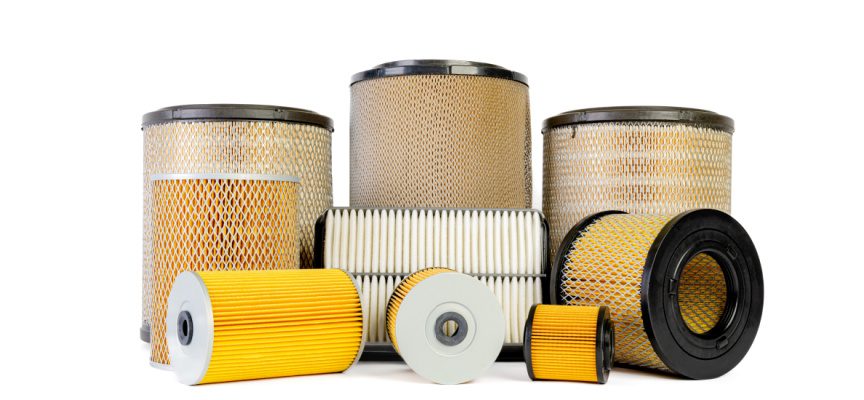
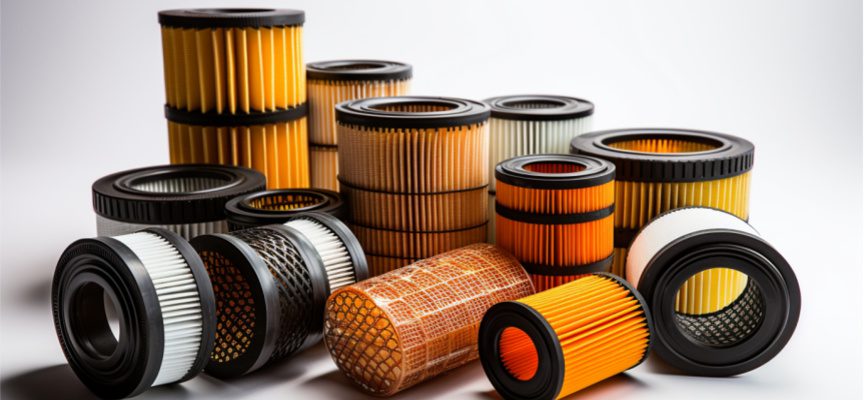
Hydraulic systems power some of the most critical industrial, automotive, and construction equipment in the world. To keep these systems running smoothly, hydraulic filter element play a vital role. They remove dirt, metal particles, and other contaminants from the hydraulic fluid, protecting pumps, valves, and cylinders from premature wear.
In this guide, we’ll explore the different types of hydraulic filter elements, their applications, benefits, and maintenance tips—helping you choose the right filter for maximum efficiency and longer equipment life.
Introduction to Hydraulic Filter Elements
As the name suggests, hydraulic filter elements are used in hydraulic systems to remove contaminants from the hydraulic fluid. There are a variety of different types of filter elements available, each with its own advantages and disadvantages. The type of filter element you choose depends on the specific requirements of your hydraulic filter system.
An important type of hydraulic filter element is the pleated paper filter. Pleated paper filters are made from a variety of materials, including cellulose, glass fiber, and synthetic fibers. They are typically used in applications where high levels of contamination are expected. Pleated paper filters can be used in both oil-based and water-based hydraulic fluids.
Another common type of hydraulic filter element is the spin-on filter. Spin-on filters consist of a cylindrical housing that contains a pleated paper or synthetic fiber element. They are designed for use in applications where space is limited and easy maintenance is required. Spin-on filters can be used in both oil-based and water-based hydraulic fluids.
Cartridge-typeF are also available for use in hydraulic systems. Cartridge-type filters consist of a housing that contains one or more pleated paper or synthetic fiber elements. They offer high levels of contaminant removal and long service life. Cartridge-type filters can be used in both oil-based and water-based hydraulic fluids
Types of Filter Elements
Filter elements are the heart of every hydraulic filtration system. Without a properly functioning filter element, your system will be susceptible to a number of problems including:
Abrasive wear
Corrosion
Fluid contamination
Hydraulic fluid breakdown
There are a variety of filter elements available on the market, each designed to address specific needs. The most common types of filter elements include:
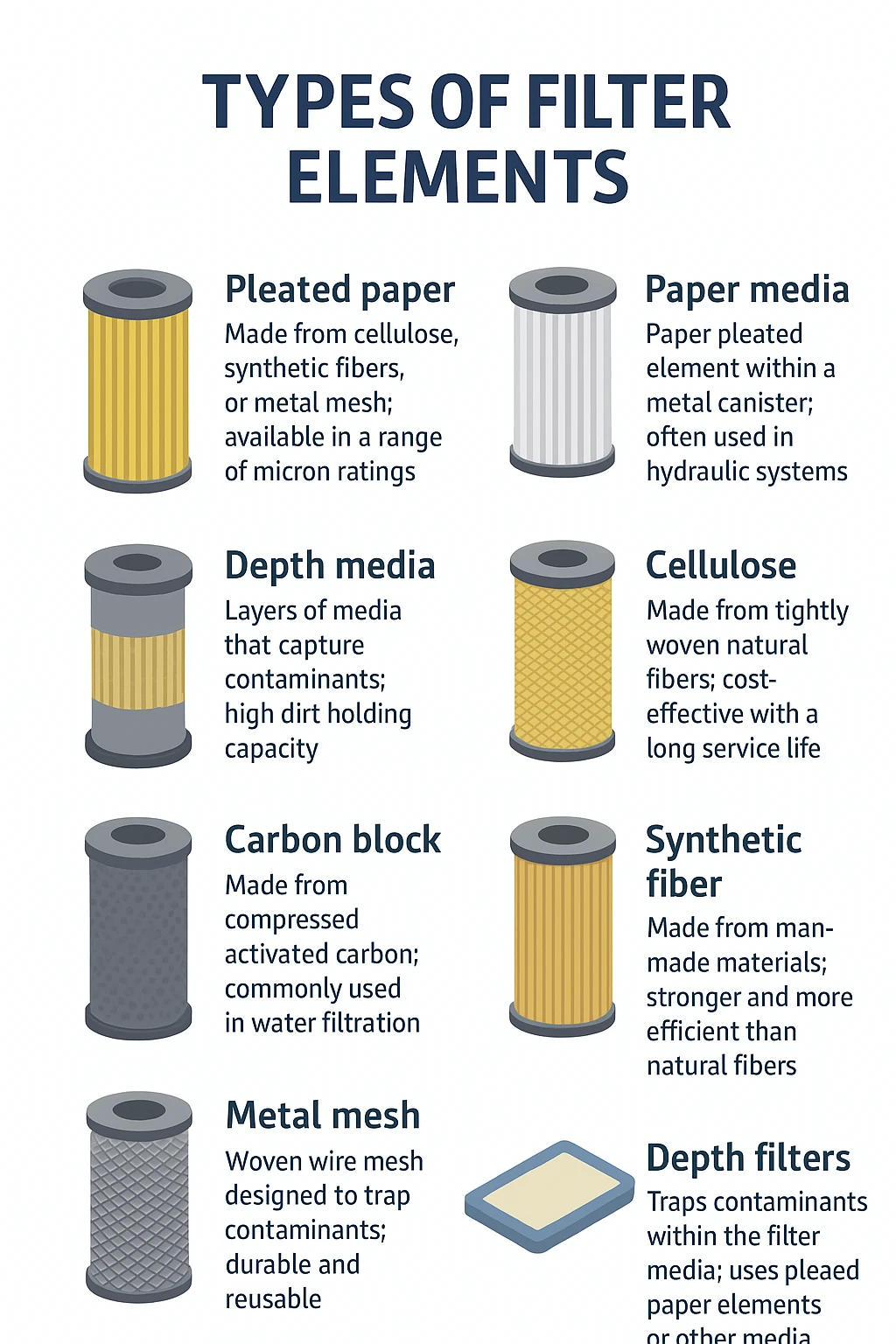
Pleated paper-
Pleated paper filter elements are the most popular type of filter element. They are made from a variety of materials including cellulose, synthetic fibers, and metal mesh. Pleated paper filter elements can be used in a wide range of applications and are available in a variety of micron ratings.
Depth media-
Depth media filter elements are composed of layers of media that capture contaminants as they pass through. The media is typically made from cellulose or synthetic fibers. Depth media filter elements have a high dirt holding capacity and can be used in high-pressure applications.
Carbon block-
Carbon block filter elements are made from compressed activated carbon. They are often used in water filtration systems to remove impurities such as chlorine, taste, and odor. Carbon block filter elements can also be used in air filtration systems to remove volatile organic compounds (VOCs).
Paper Media Filters-
Paper media filters are the most commonly used type of filter element in hydraulic systems. These filters are made from a paper pleated element that is placed inside a metal canister. The paper pleats provide a large surface area for dirt and other contaminants to be trapped. Paper media filters are available in a variety of micron ratings to suit the specific needs of your hydraulic system.
Cellulose Filters-
Cellulose filters are the most common type of filter element used in hydraulic systems. They are made from natural cellulose fibers that are tightly woven together to form a porous media. Cellulose filters can be used to remove both solid and liquid contaminants from hydraulic fluids.
These filters typically have a lower initial cost than other types of filter elements. They also have a relatively long service life, making them a cost-effective option for many applications. However, cellulose filters can be more susceptible to plugging than other types of filter elements. This is because they have a larger surface area that can capture contaminants.
Cellulose filters should be replaced when they become plugged or when the pressure drop across the filter increases significantly. Depending on the application, replacement intervals may range from once per week to once every few years.
Synthetic Fiber Filters-
As the name suggests, synthetic fiber filters are made from man-made materials like polyester or nylon. These materials offer a number of advantages over natural fiber, including increased strength, resistance to temperature and chemicals, and improved filtration efficiency.
Synthetic fiber filters can be used in a wide range of applications, including automotive, marine, and industrial. They are available in a variety of shapes and sizes to suit your specific needs.
Metal Mesh Filters-
Hydraulic filter elements are used in a variety of industries to remove contaminants from fluids. There are many different types of filter elements, each with its own unique benefits and drawbacks. Metal mesh filters are one type of filter element that can be used in hydraulic systems.
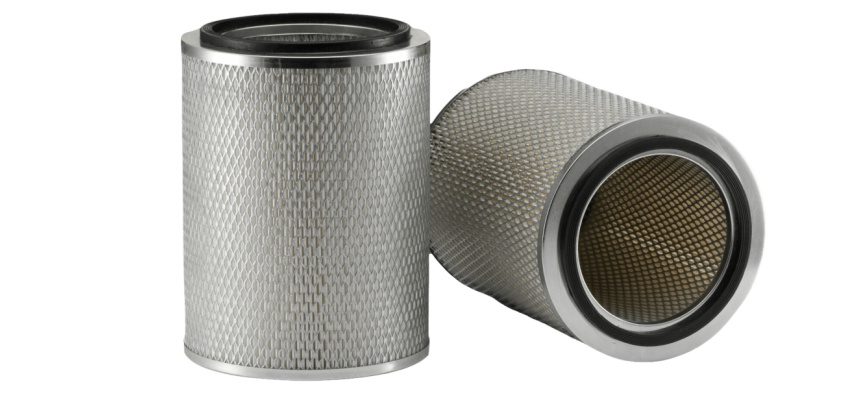
Metal mesh filters are made of a woven wire mesh that is designed to trap contaminants. The mesh is usually made of stainless steel or other corrosion-resistant material. The size of the mesh can vary, depending on the application. Metal mesh filters can be used in a variety of industries, including oil and gas, automotive, aerospace, and manufacturing.
Metal mesh filters have a number of advantages over other types of filter elements. They are durable and can withstand high pressures. They are also able to trap very small contaminants, making them ideal for use in high-pressure hydraulic systems. Metal mesh filters can be cleaned and reused, which makes them cost-effective in long-term applications.
There are some disadvantages to using metal mesh filters as well. They can become clogged more easily than other types of filter elements, which can reduce their efficiency over time. They also tend to be more expensive than other types of filter elements.
If you are considering using metal mesh filters in your hydraulic system, it is important to weigh the pros and cons carefully before making a decision. With proper care and maintenance, metal mesh filters can provide years of reliable service.
Depth Filters-
As the name suggests, depth filters are designed to remove contaminants from fluids by trapping them within the filter media. The most common type of depth filter is a pleated paper filter element, which uses a series of progressively finer layers of paper to trap contaminants. Other types of depth filter media include natural fibers, synthetic fibers, and porous metal.
Depth filters are typically used in applications where high contaminant loads are expected, such as in hydraulic systems that operate in dusty or dirty environments. They are also well suited for removing particulates from fluids that will be reused, such as in water recycling applications.
Activated Carbon Filters-
Activated carbon filters are used to remove contaminants from liquids and gases. These filters are made of activated carbon, which is a porous form of carbon that has been treated to be extremely adsorbent. Activated carbon filters are used in a variety of applications, including water treatment, air purification, and medical uses.
Water Treatment:
Activated carbon filters are commonly used in water treatment to remove impurities from water. These filters can remove a wide range of contaminants, including chlorine, chemicals, and bacteria. Activated carbon filters are often used in conjunction with other types of water filtration systems to provide the highest level of filtration possible.
Air Purification:
Activated carbon filters are also used in air purifiers to remove contaminants from the air. Air purifiers that use activated carbon filters are effective at removing a wide range of airborne contaminants, including dust, pollen, smoke, and odors. Activated carbon air purifiers are often used in homes and offices to improve indoor air quality.
Medical Uses:
Activated carbon filters are also used in medical settings for a variety of purposes. These filters can be used to remove toxins from the blood or to filter out bacteria and other contaminants from medical supplies and equipment. Activated carbon filters are also sometimes used in breathing machines to help patients who are suffering from respiratory problems.
Benefits & Advantages of Using Filter Elements
Filter elements are used in a variety of hydraulic applications to remove contaminants from oil. There are many benefits and advantages to using filter elements, including:
Improved performance of hydraulic components
Extended life of hydraulic components
Reduced downtime and maintenance costs
Enhanced system reliability
Common Applications of Filter Elements
Filter elements are used in a variety of applications to remove contaminants from hydraulic fluids. The most common type of filter element is the spin-on filter, which is used in most automotive and light truck applications. Other types of filter elements include cartridge filters, inline filters, and canister filters.
Cartridge filters are often used in heavy duty applications such as construction equipment and agricultural machinery. Inline filters are used in applications where space is limited, such as in compact excavators. Canister filters are used in high-pressure applications such as hydraulic presses.
Conclusion
Hydraulic filter elements may look small, but they are essential for the health and efficiency of any hydraulic system. By choosing the right filter type, monitoring its performance, and replacing it at the correct intervals, you can prevent costly downtime and extend the service life of your machinery.
Whether you’re working with construction equipment, industrial machinery, or marine systems, the right hydraulic filter element ensures clean fluid, smooth operation, and long-term reliability. Always select filters that match your operating conditions and follow a proper maintenance schedule to keep your hydraulic system in peak performance.
FAQs:
Here are 4 important frequently asked questions and answer, please read.
What are hydraulic filter elements, and why are they important?
Hydraulic filter elements are critical components in hydraulic systems, designed to remove contaminants such as dirt, debris, and metal particles from hydraulic fluid. They help maintain fluid cleanliness, ensuring optimal performance, preventing equipment damage, and extending the lifespan of the system.
How often should hydraulic filter elements be replaced?
The replacement frequency depends on the system’s usage, environment, and manufacturer recommendations. Generally, filters should be replaced when the pressure drop across the filter exceeds specified limits or when routine maintenance schedules dictate. Regular monitoring of the filter condition helps avoid unplanned downtime.
What are the key factors to consider when selecting a hydraulic filter element?
When choosing a hydraulic filter element, consider factors such as:
Filtration efficiency and micron rating
Flow rate and pressure compatibility
Dirt-holding capacity
Compatibility with the hydraulic fluid
Operating temperature range
Selecting the correct filter ensures optimal protection and performance of your hydraulic system.
What are the signs of a clogged hydraulic filter element?
Common signs include:
Increased pressure drop in the system
Reduced efficiency or slower system response
Overheating of hydraulic fluid
Visible contamination in the fluid
If any of these symptoms occur, inspect and replace the filter to prevent further damage to the system.
Hydraulic filters are one of the most important parts of your machine. They help keep the machine running smoothly by removing dirt and debris from the air entering it. If you are here to know the basics of hydraulic filters, then you’re in for a treat! They’re amazing machines that can do so much to keep your machine running well and efficiently.
Hydraulic filters have been around for decades, but they’re only now starting to gain a lot of traction in the world of hydraulic pumps. If you’re looking to buy one, you must understand how they work and what sort of effects they can have on your machine.
Here are some basic concepts about hydraulic filters:
Hydraulic filters use a small amount of fluid to push dirt out of the system. The flow rate depends on how much liquid is pumping through the filter and how much pressure is put on the filter media.
Hydraulic filters are a great way to remove debris from your system.
There are many different types of hydraulic filters:
Air cleaners: Used to clean dirt from the air going into your engine. They have a foam filter that catches all the particles. Then, they blow them out through a hose into an area where a vacuum cleaner or other means remove them.
Fuel filters: Used to remove impurities from fuel before it enters your engine; this helps prevent corrosion and clogging of fuel lines so that you don’t have to worry about damage caused by dirty fuel lines!
Oil filters: These remove any sediment or oil from past oil changes so that it doesn’t build up over time and cause problems with performance.
Here are some basics about hydraulic filters:
They’re usually made of plastic or metal, but they can also be made from other materials.
The membranes are either ceramic or plastic. Ceramic membranes are more expensive than plastic ones but are more durable and last longer.
Ceramic membranes have different types of pores that allow for different amounts of flow depending on how much pressure you apply.
There’s a lot to know about the basics of hydraulic filters, but we have you covered! Hydraulic filters are the most common type of filter in the world. They come in all shapes and sizes, and they remove contaminants.
Overall
Hydraulic filters are for industrial machinery to remove dirt, dust, and other particulate matter from water. They available for power plants, food processing factories, and other equipment that works with large amounts of water. There are two types of hydraulic filters: wet and dry. Wet filters have an external container that holds water and connects to your pump through tubes. They’re usually less efficient than dry filters because they have to cool down their internal system before using them for them to work properly. This causes a lot more waste heat than if they were able to let their internal system run at full capacity all day long! Dry filters don’t require additional components beyond a filter cartridge (which has several layers). Contact us for more information about the basics of hydraulic filters.
FAQs:
What is the purpose of hydraulic filters in a system?
Hydraulic filters remove contaminants such as dirt, metal particles, and moisture from hydraulic fluid, preventing system damage and ensuring smooth operation.
How often should hydraulic filters be replaced?
The replacement frequency depends on system usage, operating conditions, and manufacturer recommendations. Regular inspections and pressure drop monitoring can help determine the right time for replacement.
What are the different types of hydraulic filters?
Common types include suction filters, return-line filters, pressure filters, and offline filters. Each serves a specific function in maintaining fluid cleanliness and system efficiency.
How can I choose the right hydraulic filter for my equipment?
Consider factors such as fluid compatibility, filtration rating (micron size), operating pressure, and flow rate. Consulting your equipment manual or a hydraulic expert can help ensure the best selection.
A hydraulic filter is a vital component in any hydraulic system. It ensures that the hydraulic fluid remains clean and free from impurities, helping machines operate efficiently and last longer. Over the years, filtration technology has evolved significantly, improving the performance, durability, and reliability of hydraulic systems across industries.
If you’re looking for trusted hydraulic filter suppliers in the USA, Harvard Filtration provides a complete range of hydraulic filter kits and filtration solutions designed to meet diverse industrial requirements.
Purpose of Hydraulic Filters
Hydraulic filters are engineered to remove contaminants such as dirt, debris, and metal particles from hydraulic oil. These impurities can enter the system through worn seals, oil degradation, or environmental exposure. Without proper filtration, these particles can damage valves, pumps, and other sensitive components, leading to performance issues and costly downtime.
Main functions of a hydraulic filter:
Protect system components: By trapping solid particles and dirt before they circulate through the system.
Maintain oil quality: Ensures hydraulic fluid remains clean and maintains its viscosity and lubricating properties.
Extend equipment life: Reduces wear and tear on parts, minimizing maintenance costs.
Improve system efficiency: Cleaner oil reduces friction and heat generation, allowing smoother operation.
Simply put, a high-quality hydraulic filter ensures smooth fluid flow, reduces breakdowns, and supports efficient energy use.
Hydraulic filters work on a simple principle — they separate solid contaminants from the hydraulic fluid before it reaches vital components. The filter element, usually made of pleated paper, metal mesh, or synthetic fibers, captures particles of varying sizes as fluid flows through it. Once the filter becomes clogged, it must be cleaned or replaced to maintain optimal pressure and flow rate.
Harvard Filtration designs its hydraulic filter elements to achieve superior dirt-holding capacity and high filtration efficiency, ensuring compliance with ISO cleanliness standards.
Types of Hydraulic Filters
Hydraulic filters come in several designs, each suited to different system pressures and contamination levels. Here are the major types:
1. Suction Filters
Suction filters are installed before the hydraulic pump. They prevent large contaminants from entering the pump and causing premature wear. These filters are essential for protecting system components during the initial fluid draw.
2. Pressure Line Filters
As the name suggests, pressure line filters are placed directly after the pump in high-pressure circuits. They remove fine particles that pass through suction filters and protect sensitive components like valves and actuators.
3. Return Line Filters
Return line filters are installed before the fluid returns to the reservoir. They capture contaminants generated during system operation and prevent them from re-entering the oil tank.
Example: Harvard Filtration’s return line filters offer high dirt-holding capacity and low pressure drop, ideal for continuous-duty operations.
4. Off-Line Filters (Kidney Loop Systems)
These filters operate in a separate circuit from the main hydraulic loop. They continuously clean the fluid, even when the machine is idle. Harvard Filtration’s off-line filter carts are an excellent choice for proactive maintenance and ensuring long-term oil cleanliness.
5. Spin-On Filters
Spin-on filters are compact, easy-to-replace units commonly used in mobile and industrial equipment. They’re ideal for applications requiring quick servicing and reduced downtime.
6. Magnetic Filters
These filters use magnetic fields to attract and capture metallic particles from hydraulic fluid. They’re often used as secondary filters to enhance system protection.
A hydraulic filter kit includes all the essential components required for efficient filtration — such as suction, return, and pressure filters. These kits make it easier for operators to maintain their systems without worrying about compatibility issues. Harvard Filtration offers customized hydraulic filter kits tailored to specific machinery types and industrial needs.
Hydraulic Filter Carts
A hydraulic oil filter cart is a portable filtration system designed for off-line cleaning of hydraulic fluids. It helps transfer, filter, and maintain oil cleanliness without interrupting equipment operation. These portable filtration systems are widely used in factories, workshops, and mobile service setups.
Benefits of Using a Filter Cart:
Continuous oil purification
Easy maintenance and portability
Increased equipment reliability
Reduced machine wear and breakdowns
If you’re searching for wholesale hydraulic filter suppliers or portable hydraulic filtration systems, Harvard Filtration offers durable, efficient, and cost-effective solutions across North America.
Choosing the Right Hydraulic Filter
When selecting a hydraulic filter, consider these key factors:
Filtration Rating: Defines the smallest particle size the filter can capture.
Flow Rate: Must match the hydraulic system’s capacity.
Operating Pressure: Choose a filter compatible with system pressure.
Fluid Compatibility: Ensure the filter media is suitable for your oil type.
Regular inspection and timely replacement are essential to maintaining optimal performance and preventing contamination-related failures.
Benefits of Using Hydraulic Filters
Enhances machine performance and system reliability
Prevents contamination-related failures
Extends component life and reduces repair costs
Maintains fluid cleanliness and system pressure
Ensures consistent equipment operation in harsh environments
FAQs
1. What does a hydraulic filter do?
A hydraulic filter removes contaminants such as dirt, metal particles, and debris from hydraulic oil. This protects critical components like pumps and valves, improves system efficiency, and extends equipment life.
2. How often should hydraulic filters be replaced?
Hydraulic filters should be replaced based on operating conditions, contamination levels, and manufacturer guidelines. Regular inspection is essential, and filters must be changed when pressure drop increases or contamination indicators activate.
3. What are the different types of hydraulic filters?
Common types of hydraulic filters include suction filters, pressure line filters, return line filters, off-line (kidney loop) filters, spin-on filters, and magnetic filters. Each serves a specific purpose within the hydraulic system.
4. What is an off-line hydraulic filter cart used for?
An off-line hydraulic filter cart is used to clean hydraulic oil independently of the main system. It helps maintain ISO cleanliness levels, reduces machine wear, and allows filtration without shutting down equipment.
5. How do I choose the right hydraulic filter for my system?
To choose the right hydraulic filter, consider filtration rating, flow rate, operating pressure, and fluid compatibility. Selecting the correct filter ensures optimal performance and prevents contamination-related failures.
Conclusion
A hydraulic filter may seem like a small part of the system, but its role is critical in maintaining equipment efficiency and longevity. Whether you need inline hydraulic filters, return line filters, or portable hydraulic filter carts, choosing a trusted supplier makes all the difference.
At Harvard Filtration, we deliver high-quality filtration products and hydraulic filter kits designed for demanding industrial applications. Our filters are engineered to maintain ISO-level cleanliness and extend the lifespan of your machinery.